Exhibition statement:
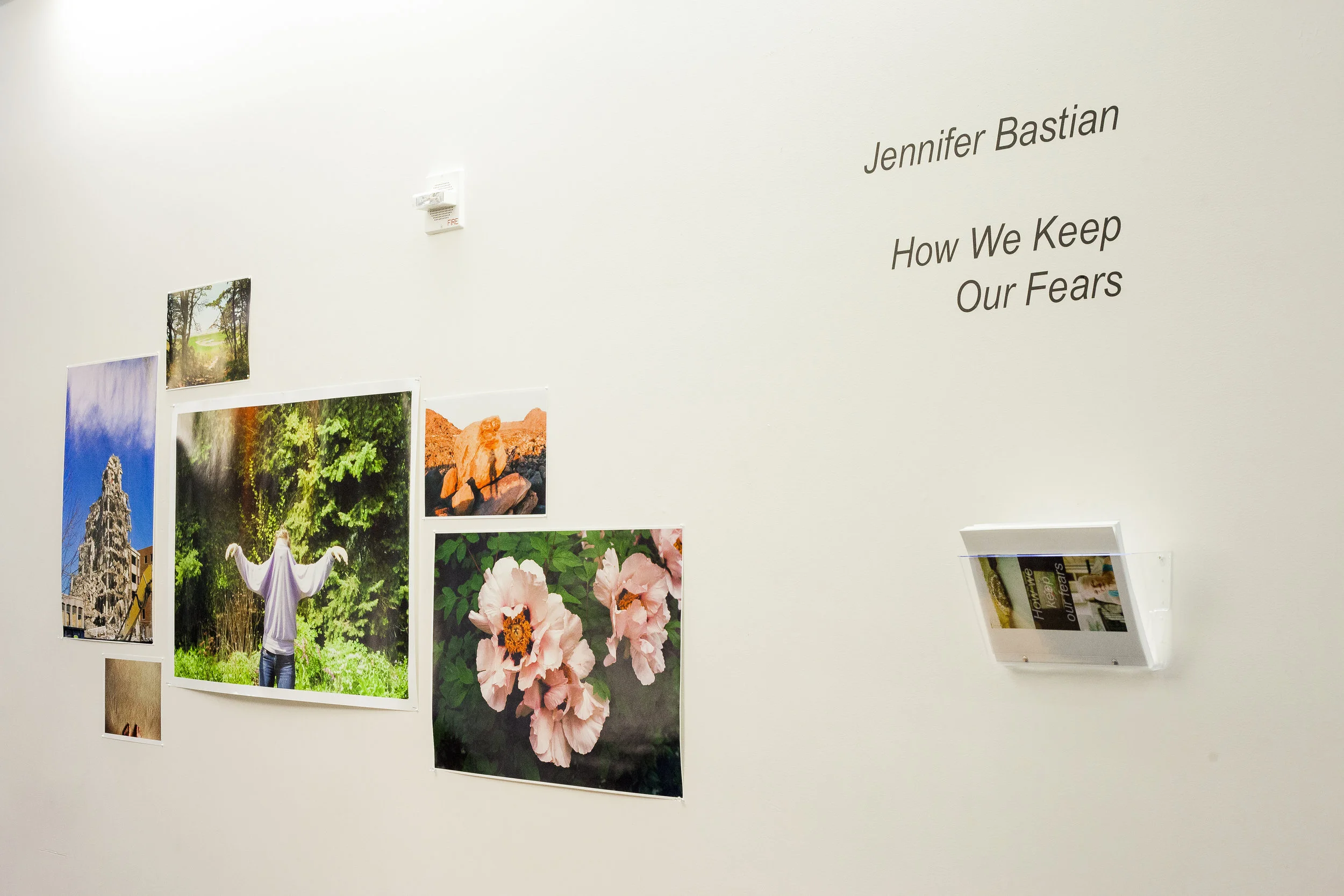
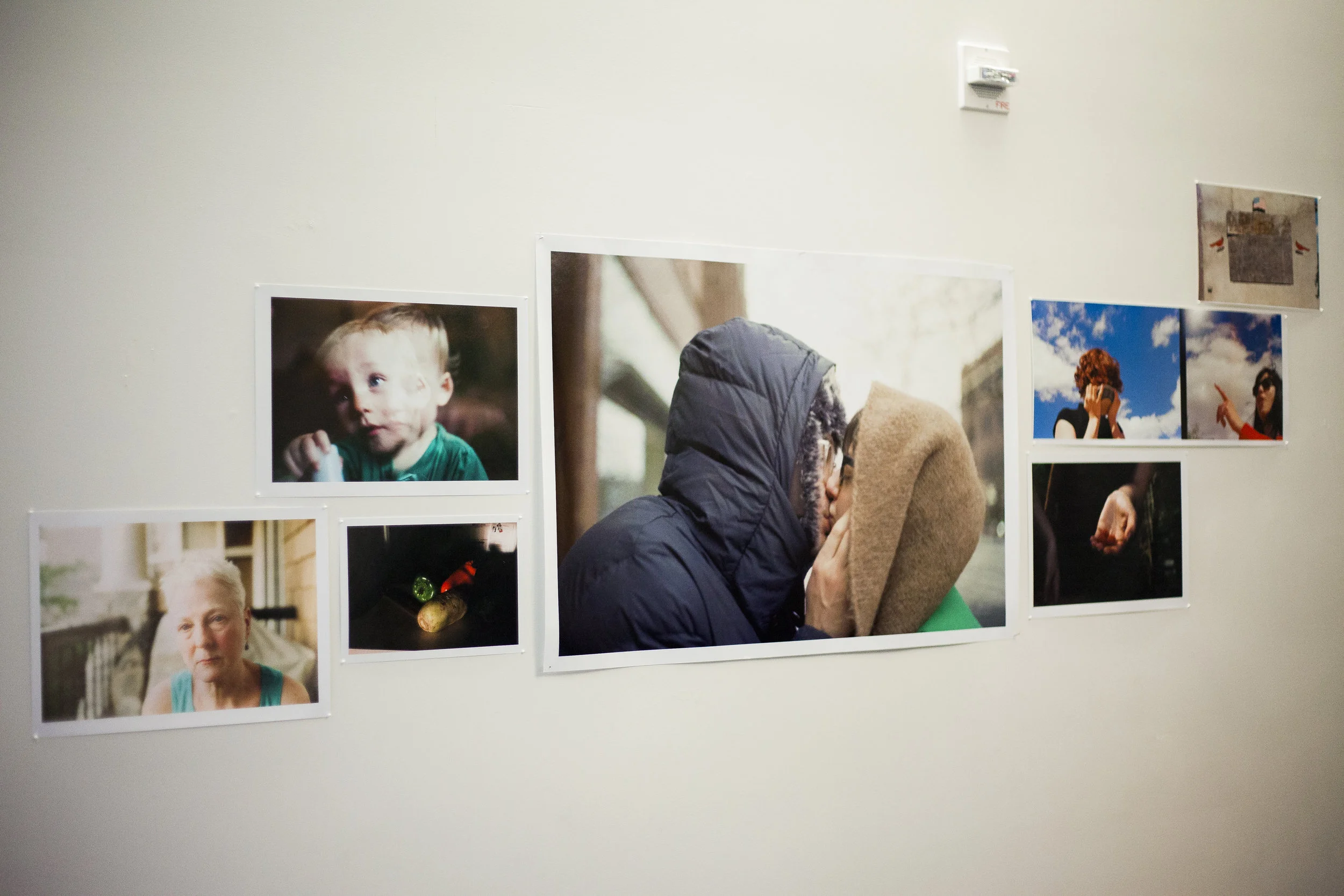
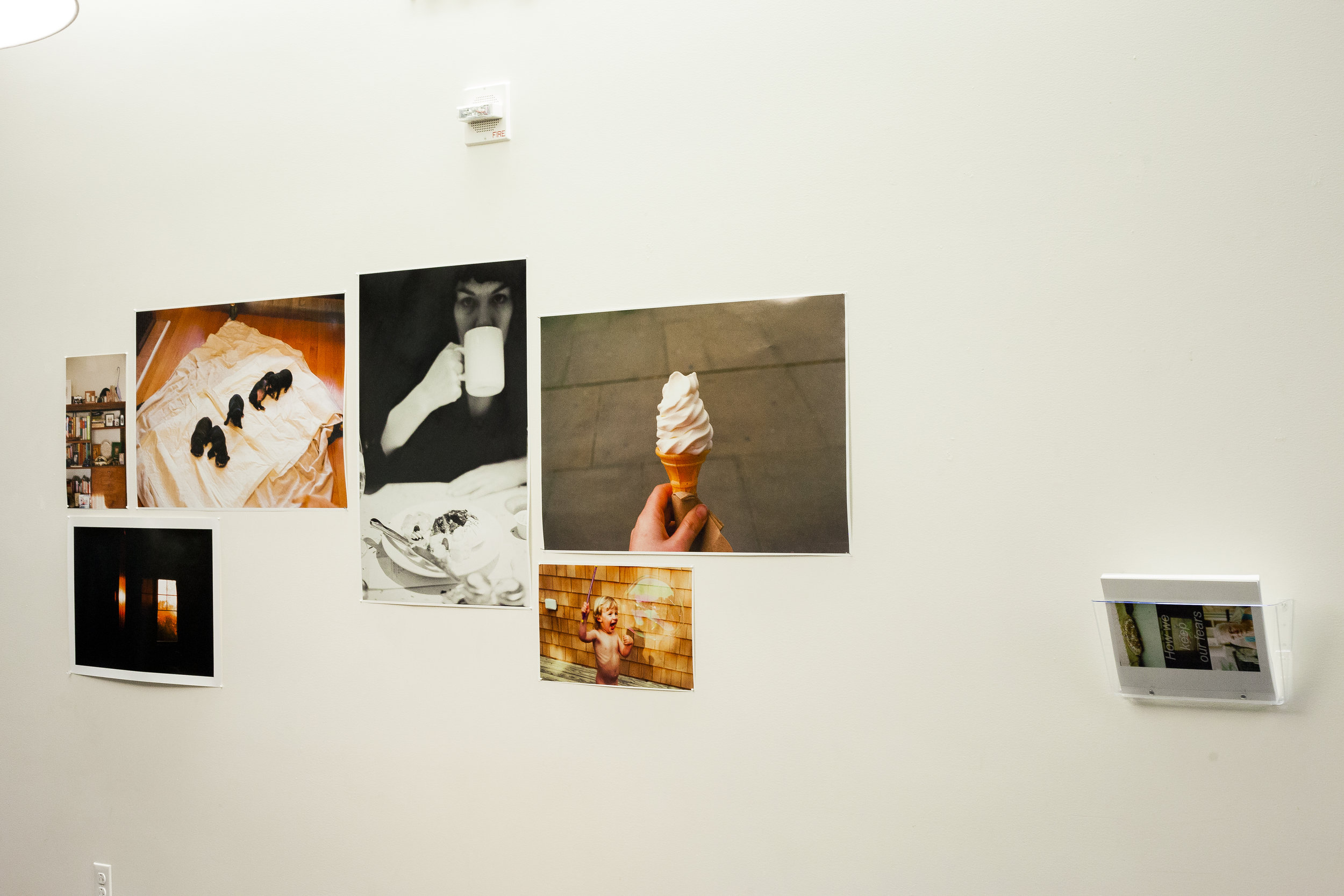
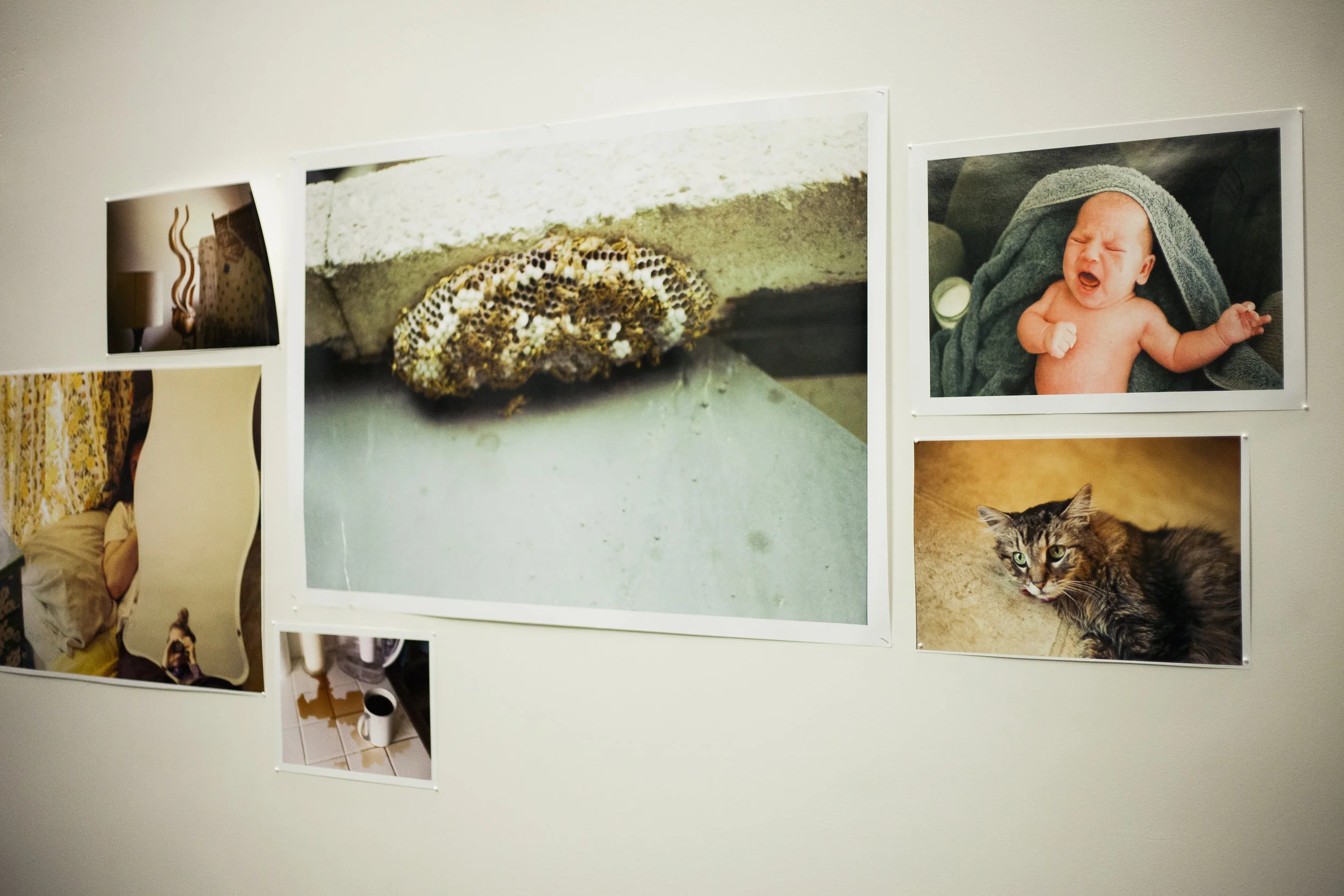
I am a photographer. I carry a 35mm film camera around and record imagery that expresses the feelings I have about my life. The photographs are an attempt to bridge the gap between your life and mine. I see things that you might also see, I feel things that you might also feel.
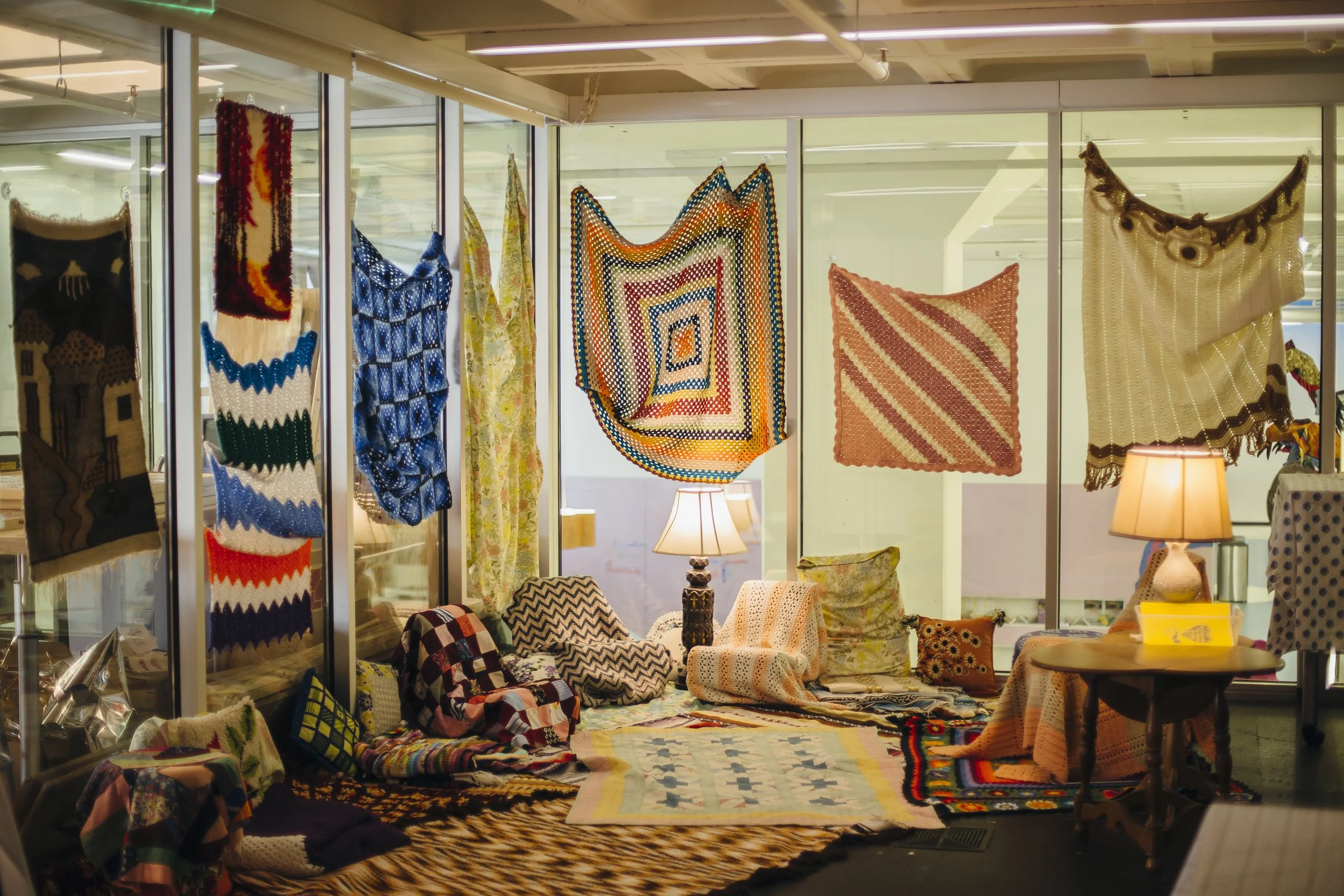
I am often seeking comfort. If it is not present, I want to facilitate its creation. I try to surround myself with softness, nostalgia and calming shifts in color and pattern.
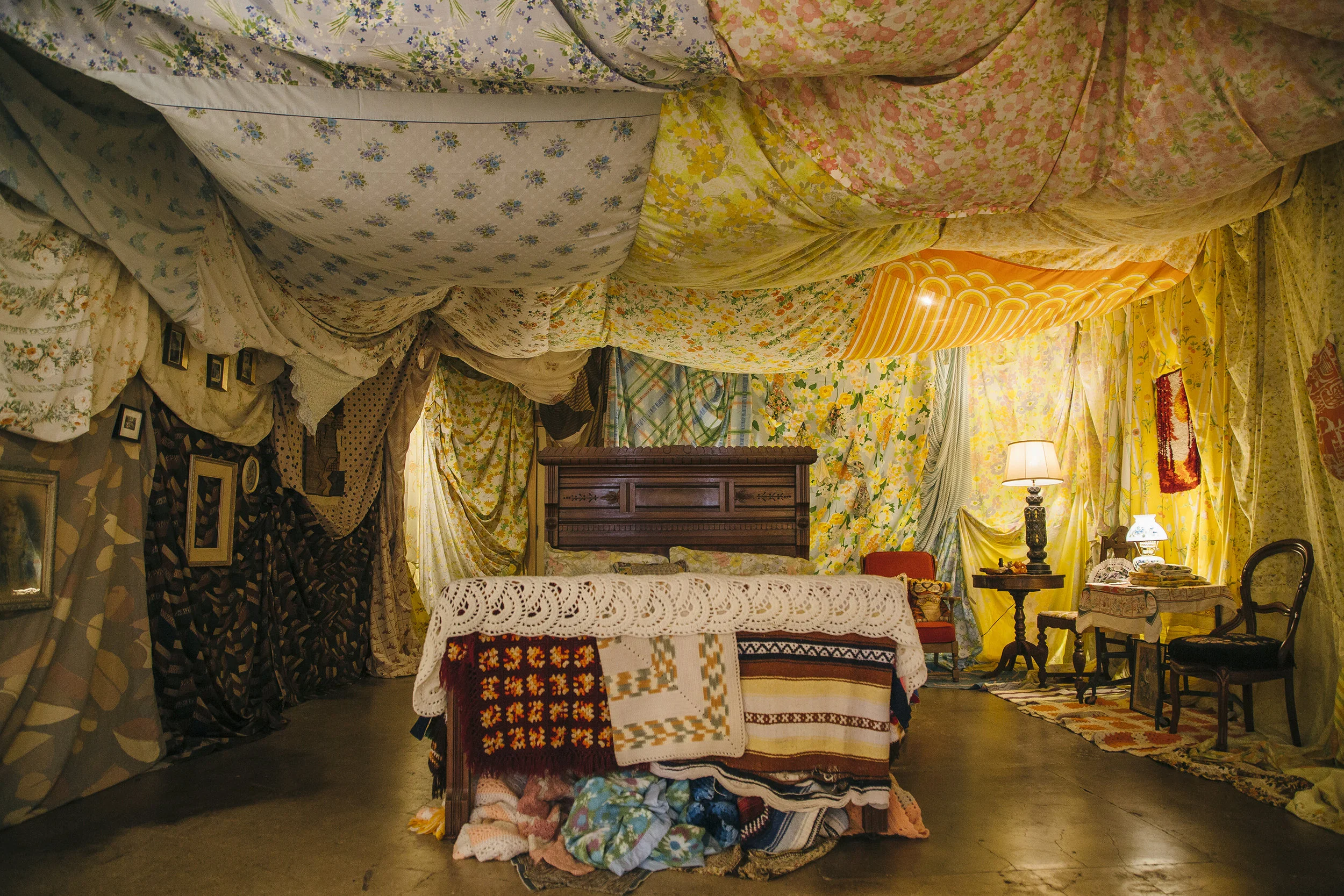
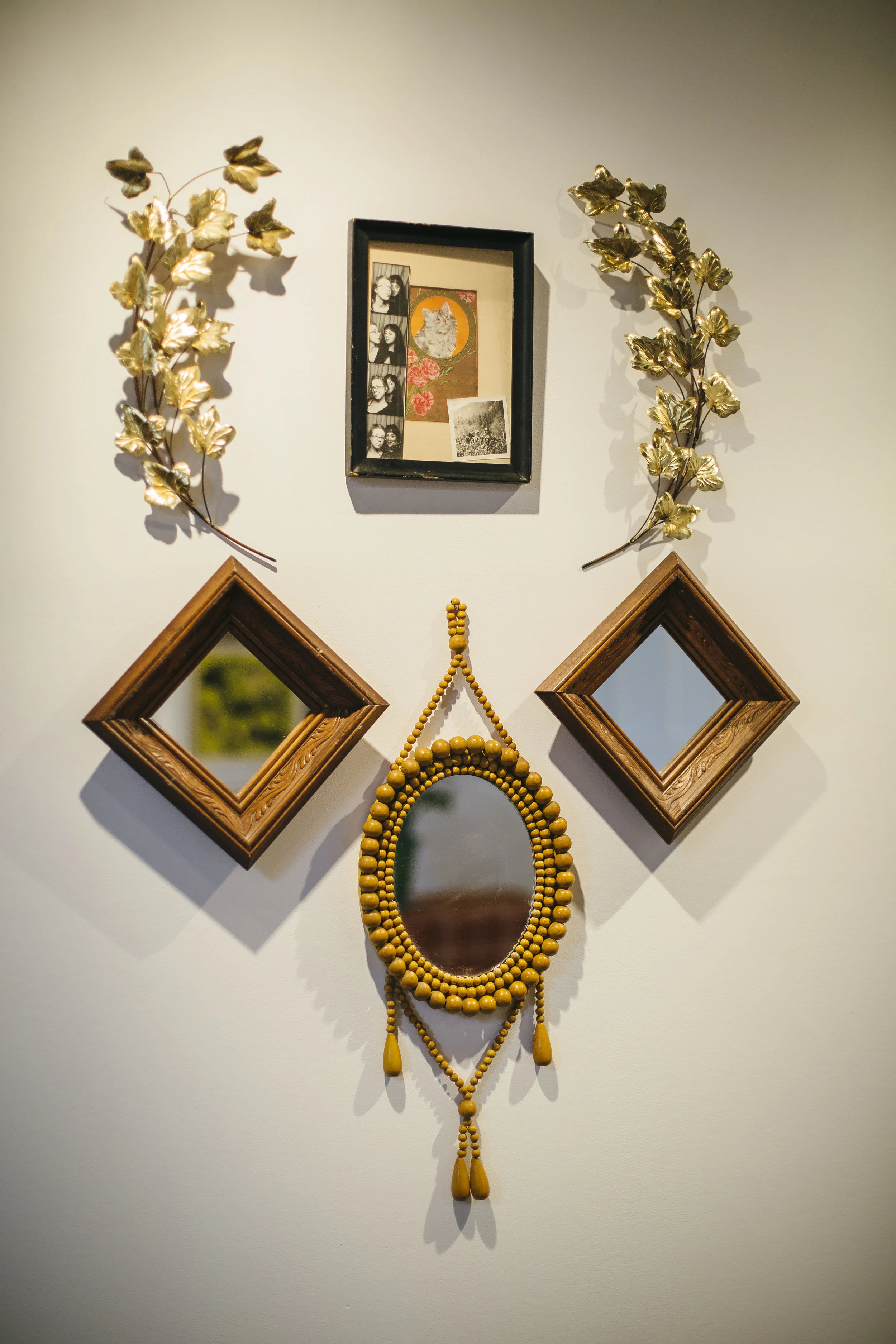
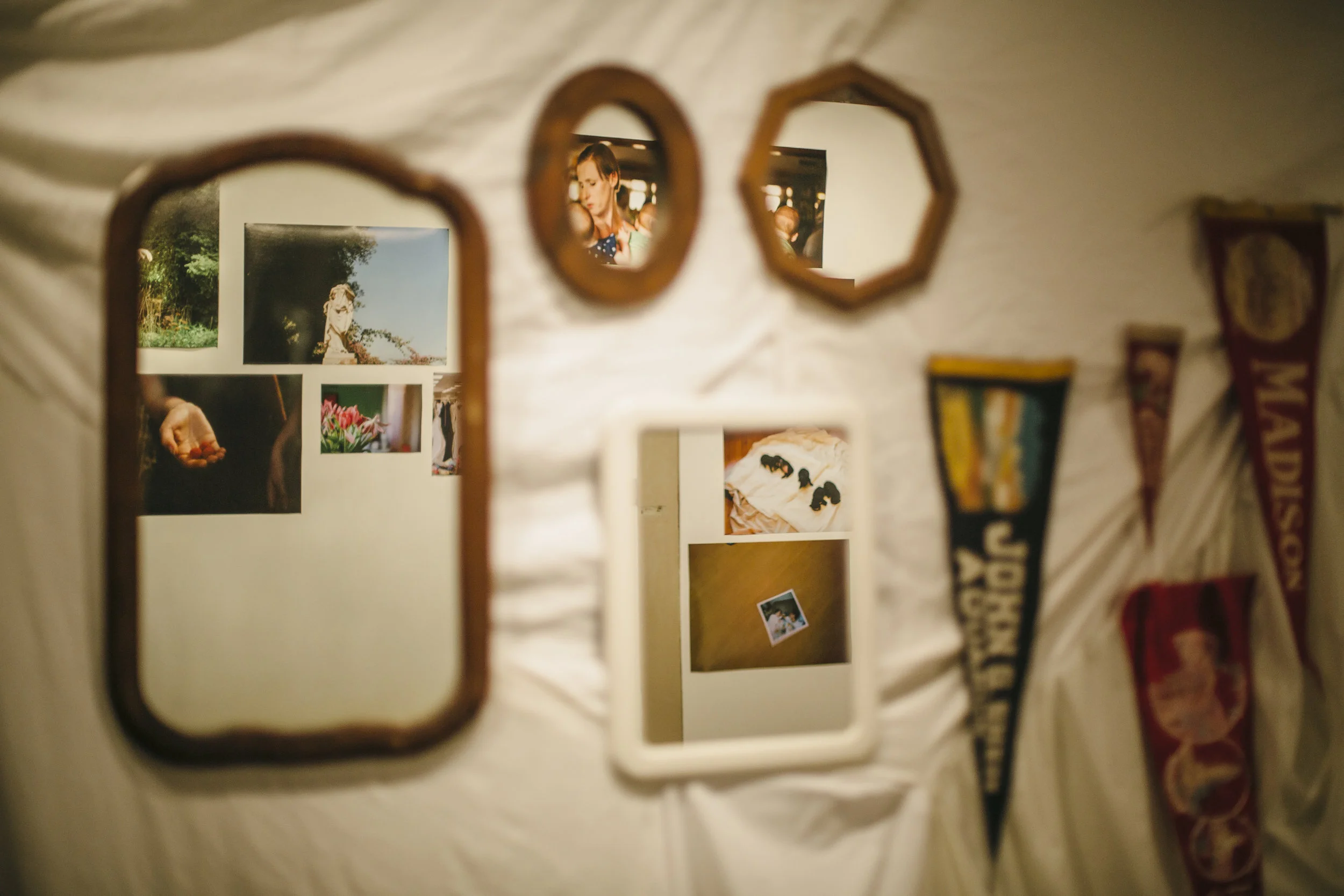
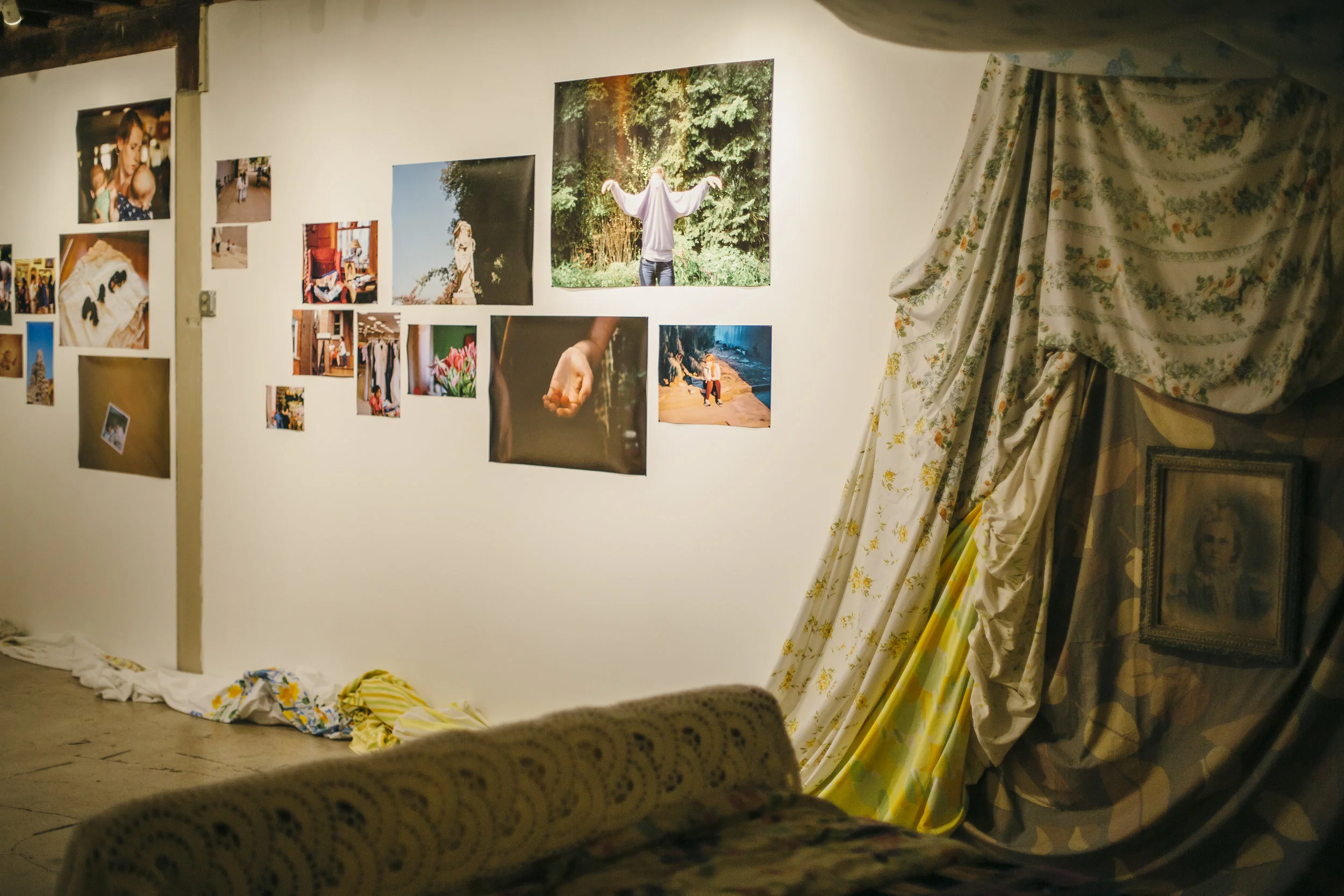
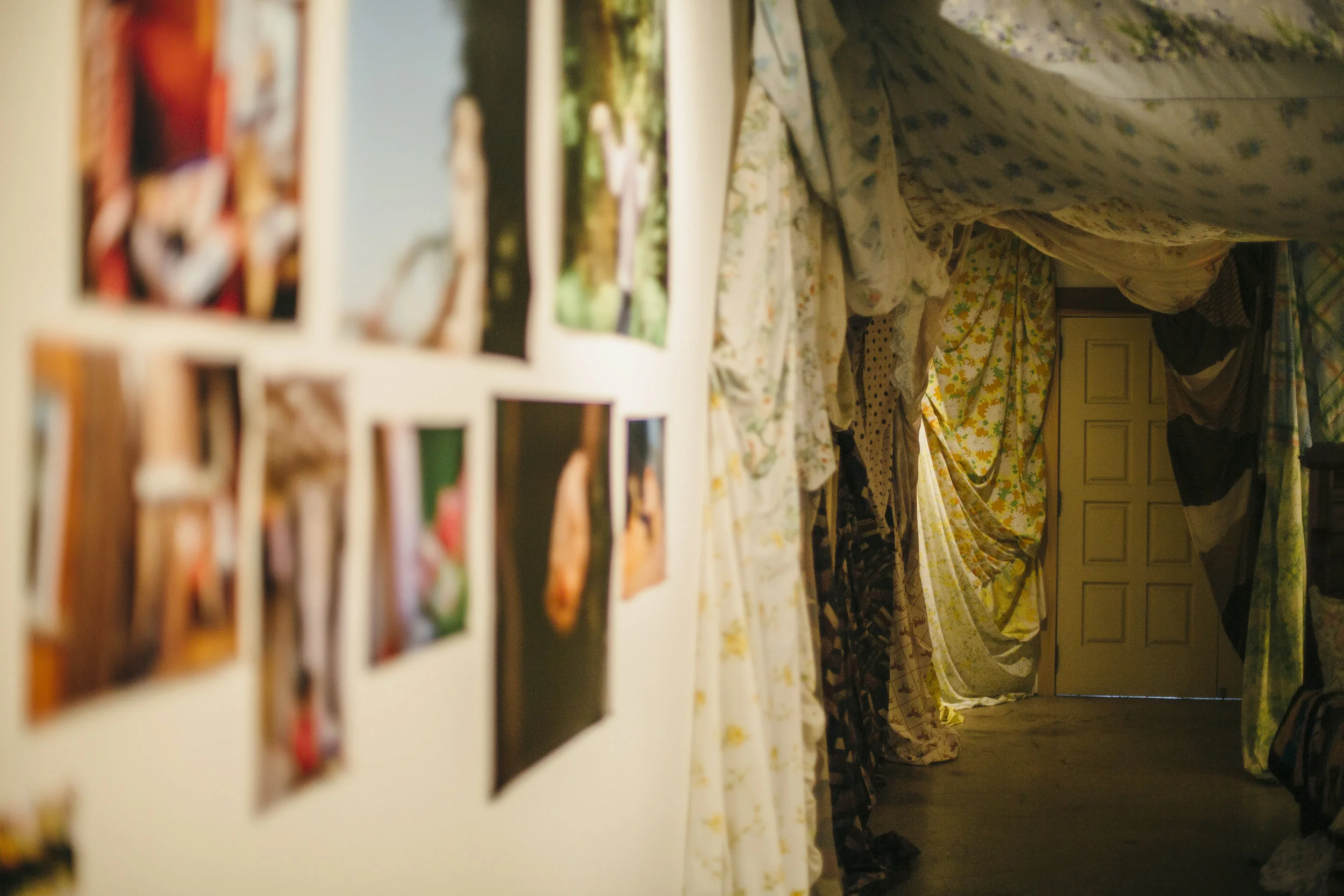
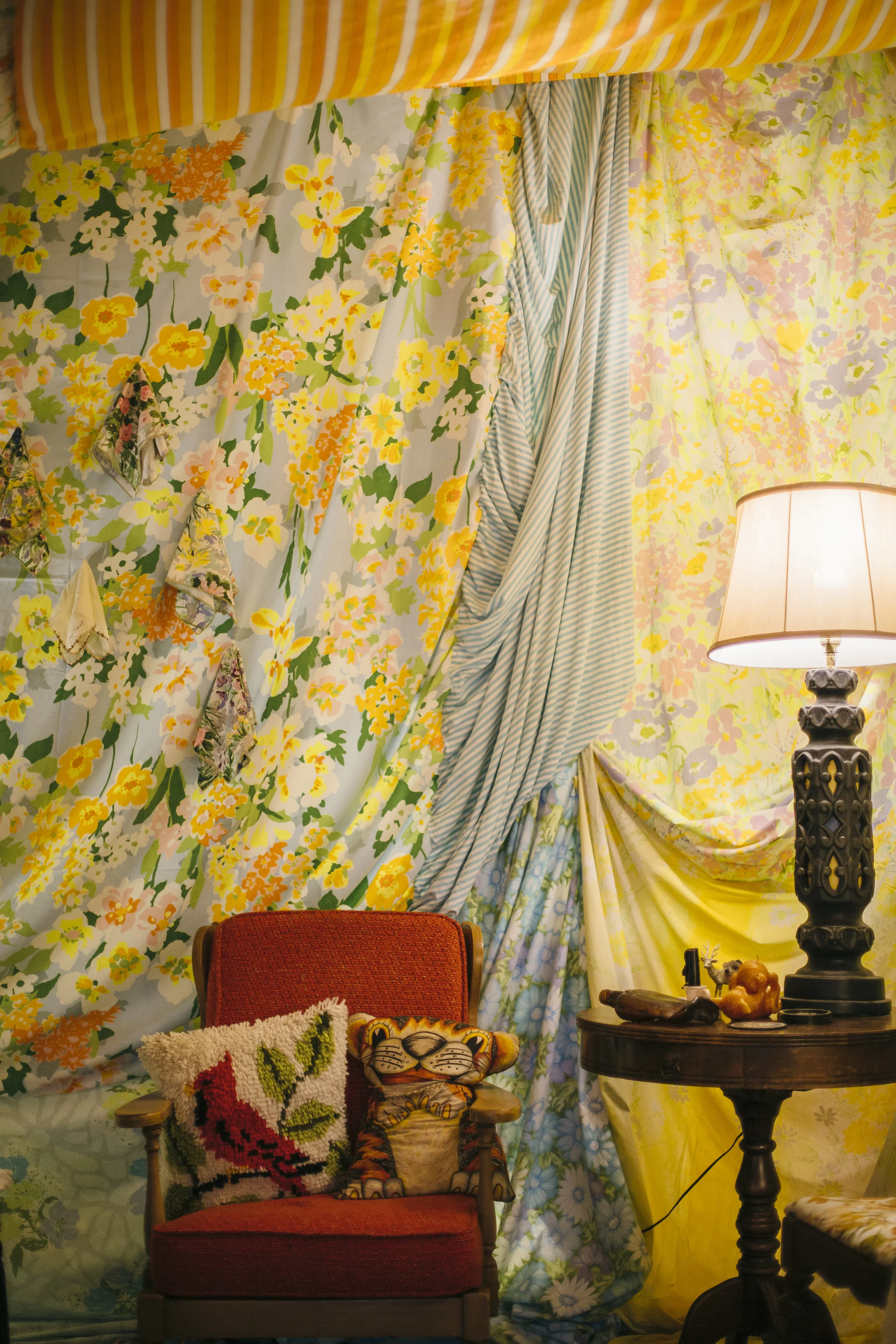
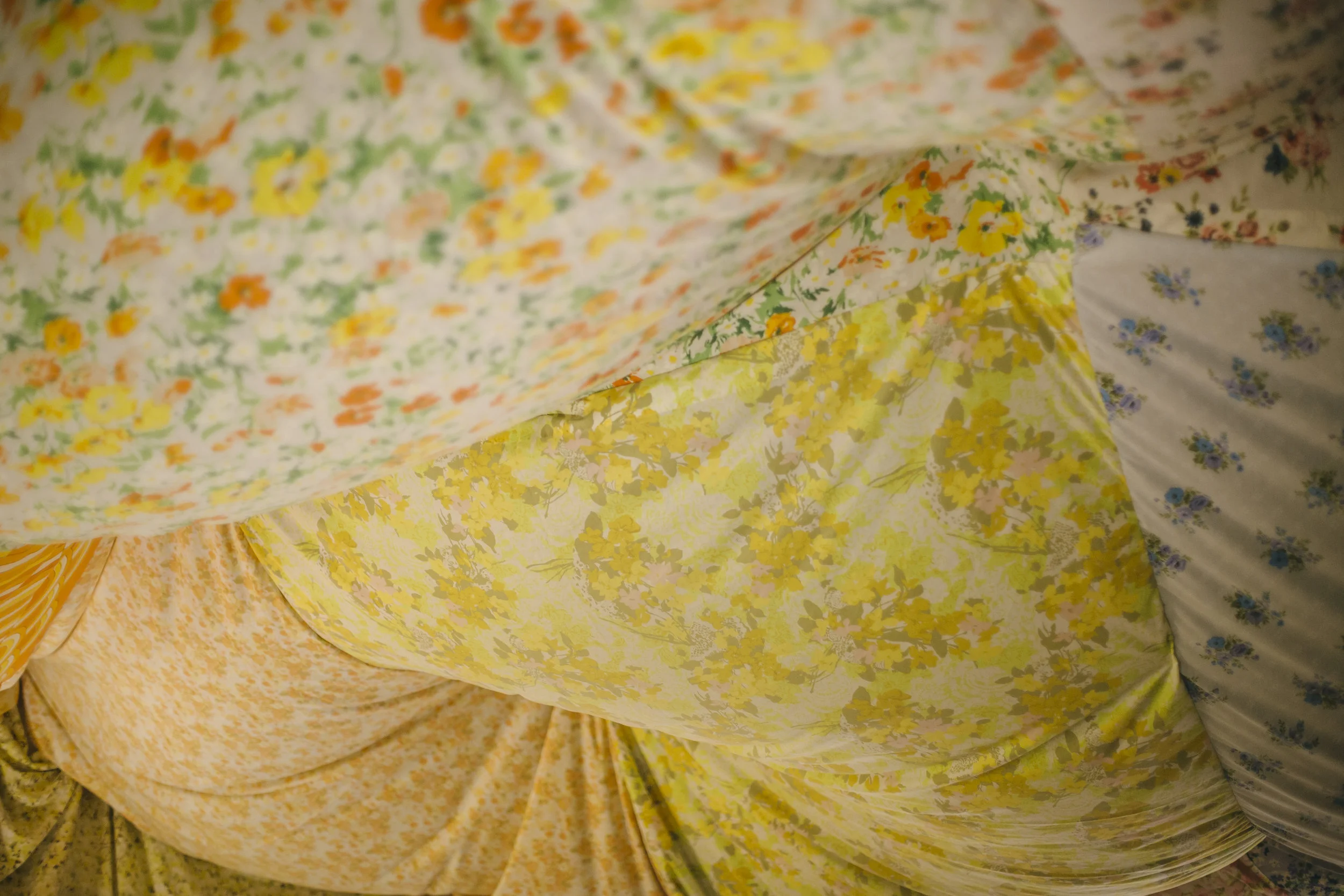
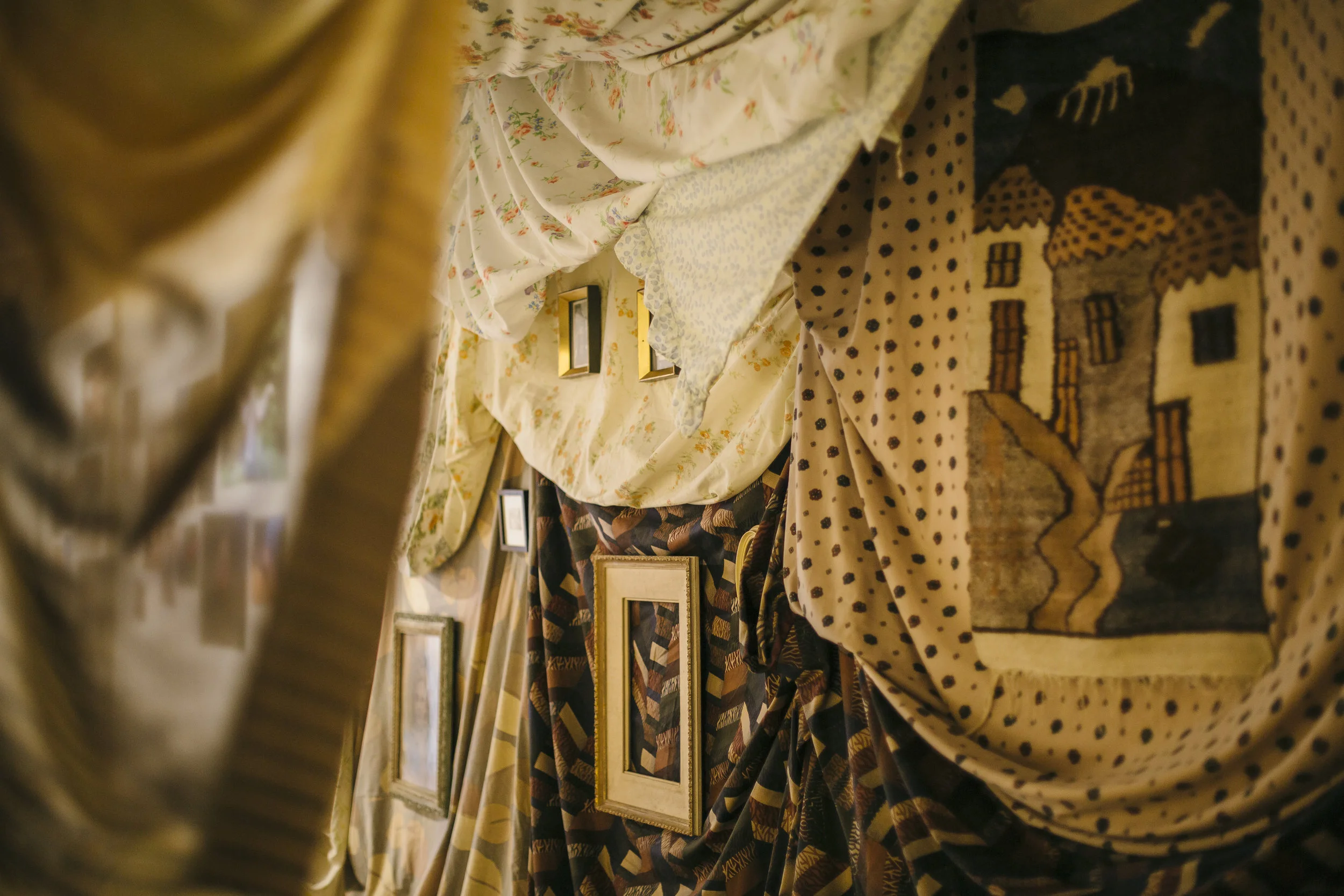
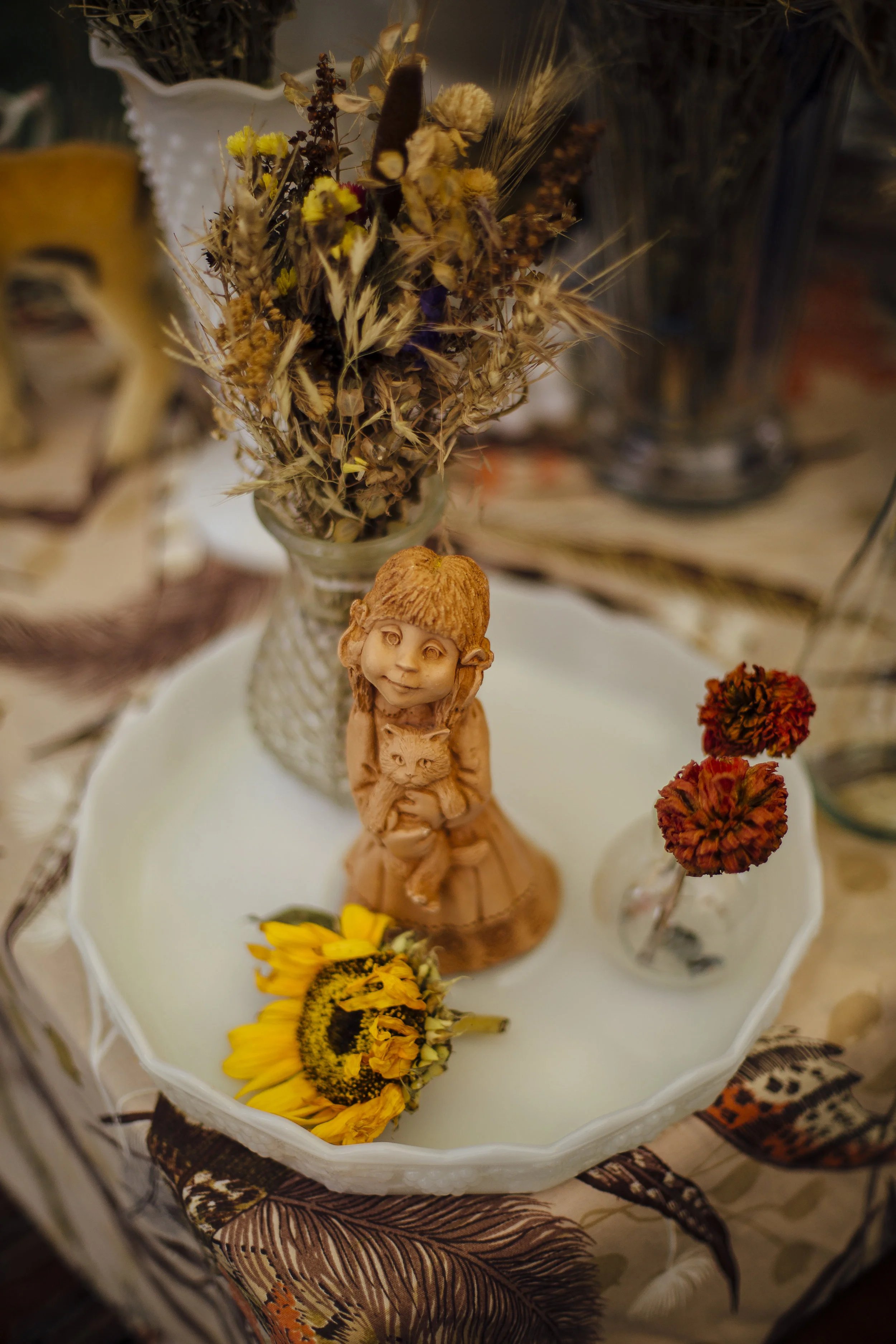
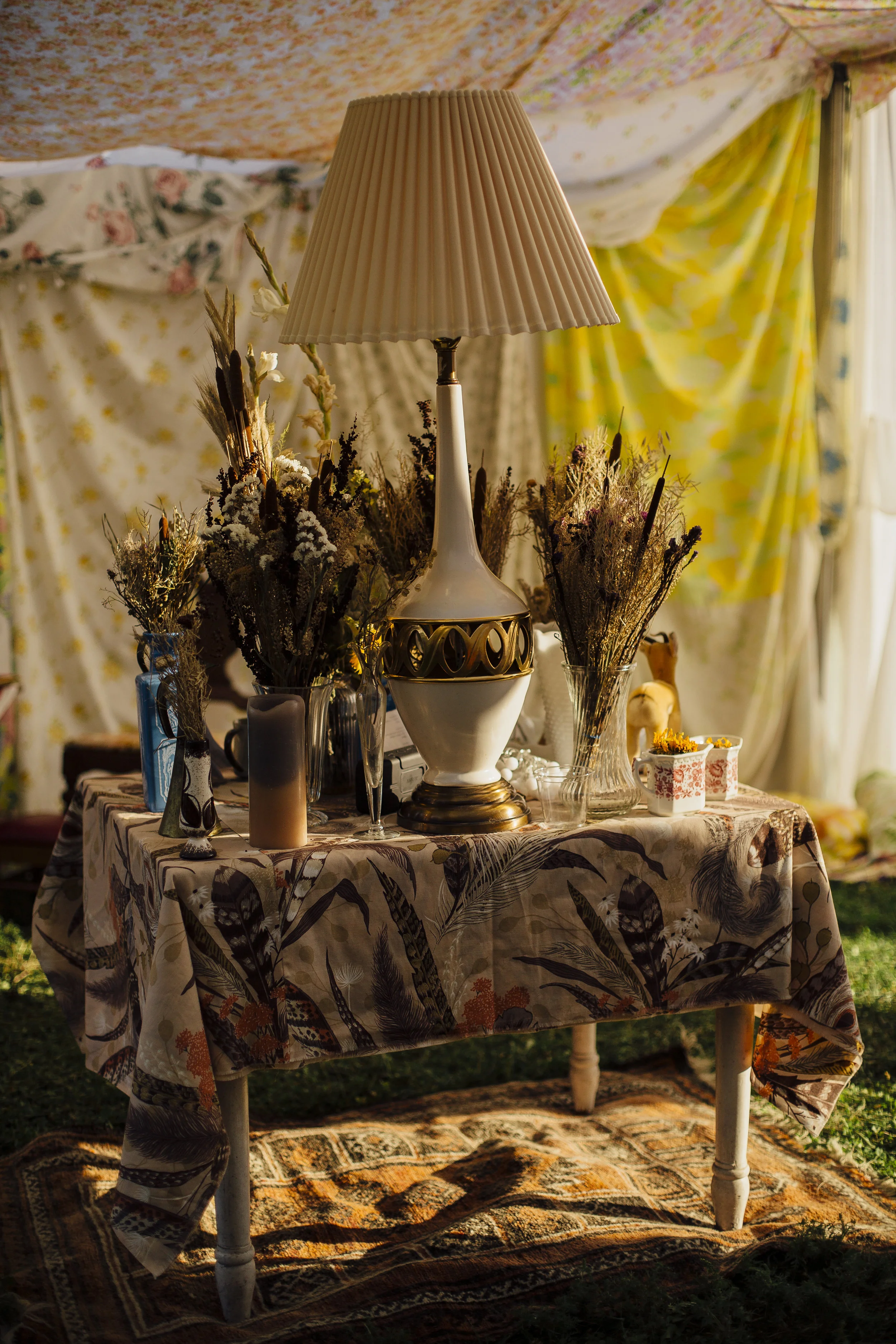
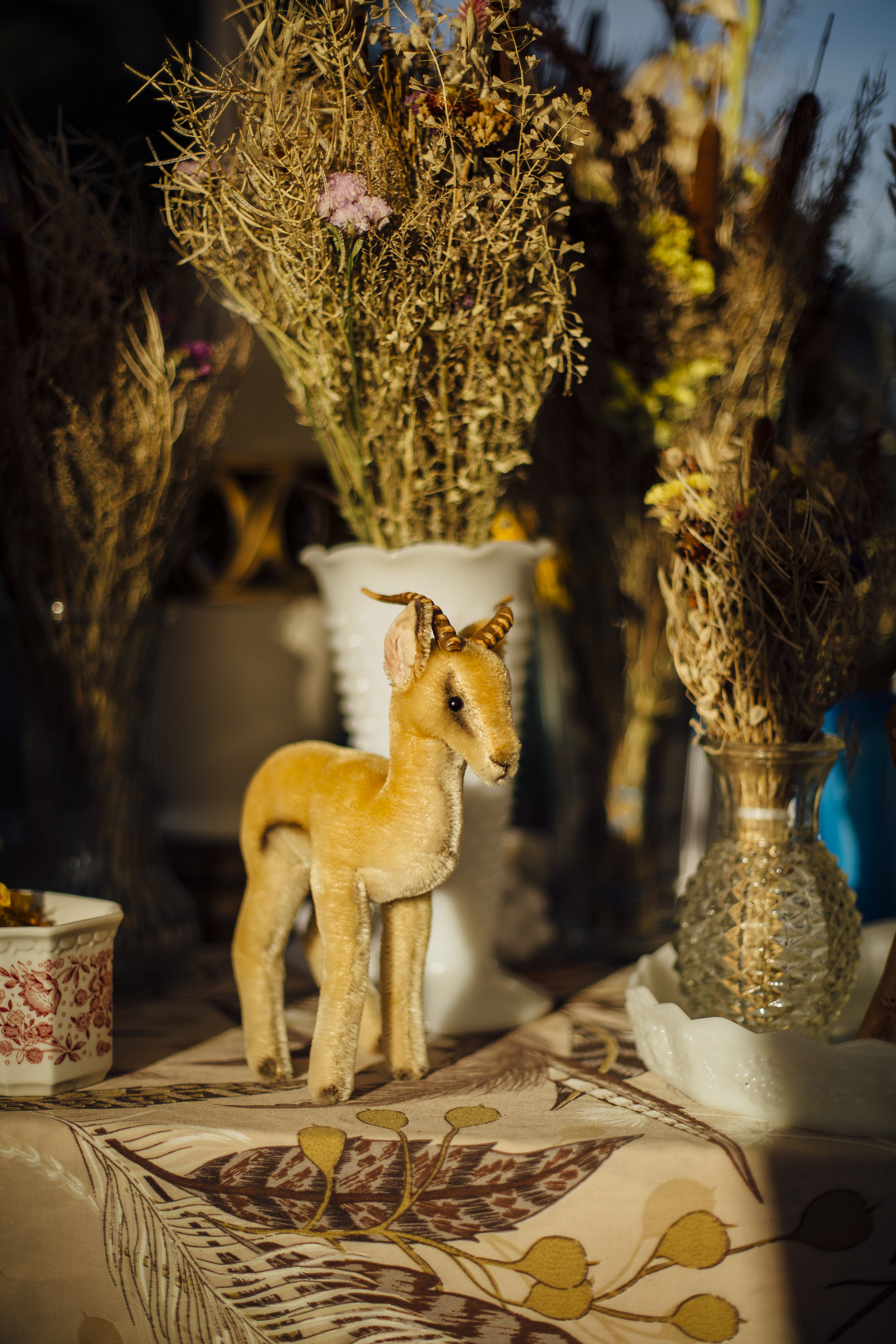
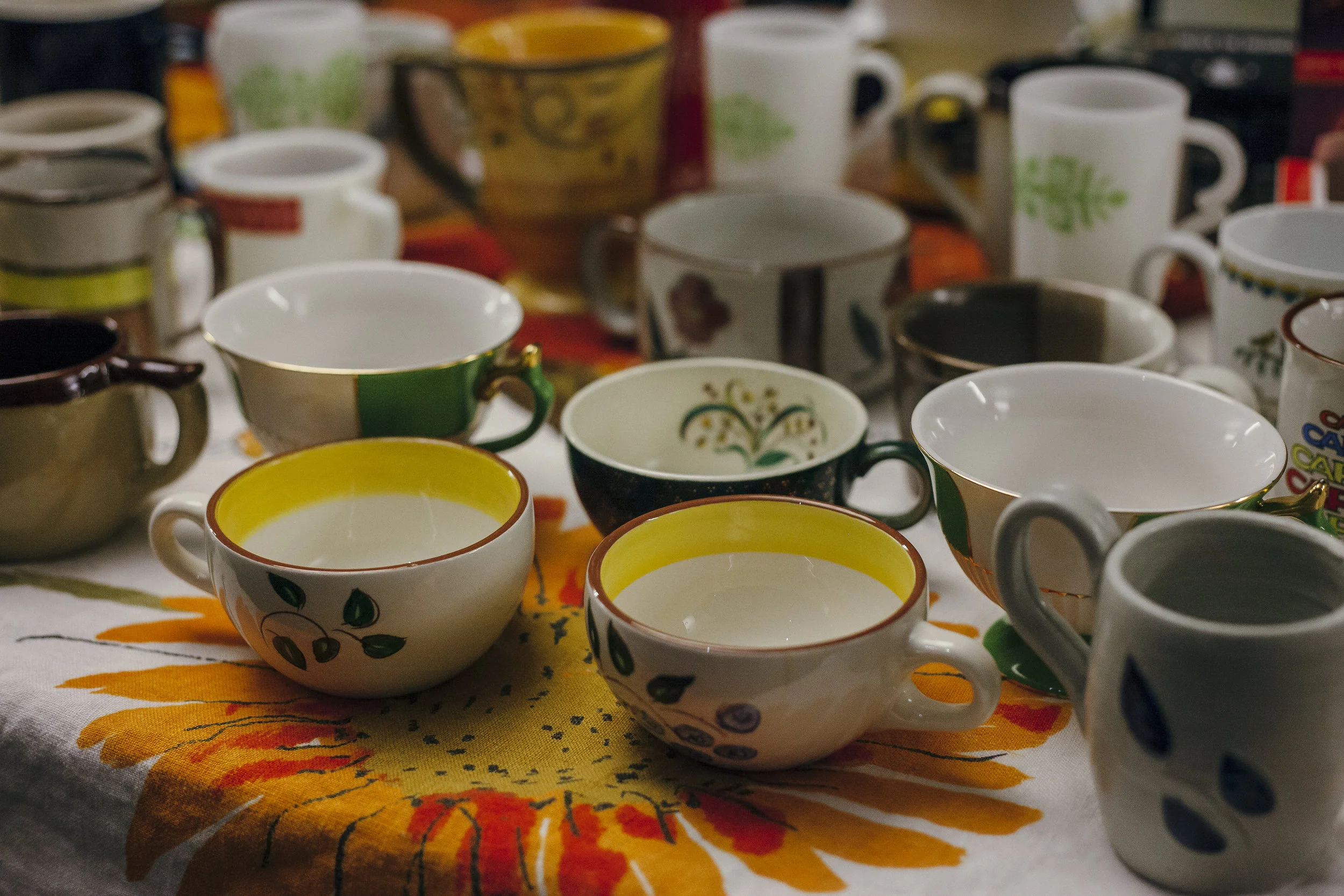
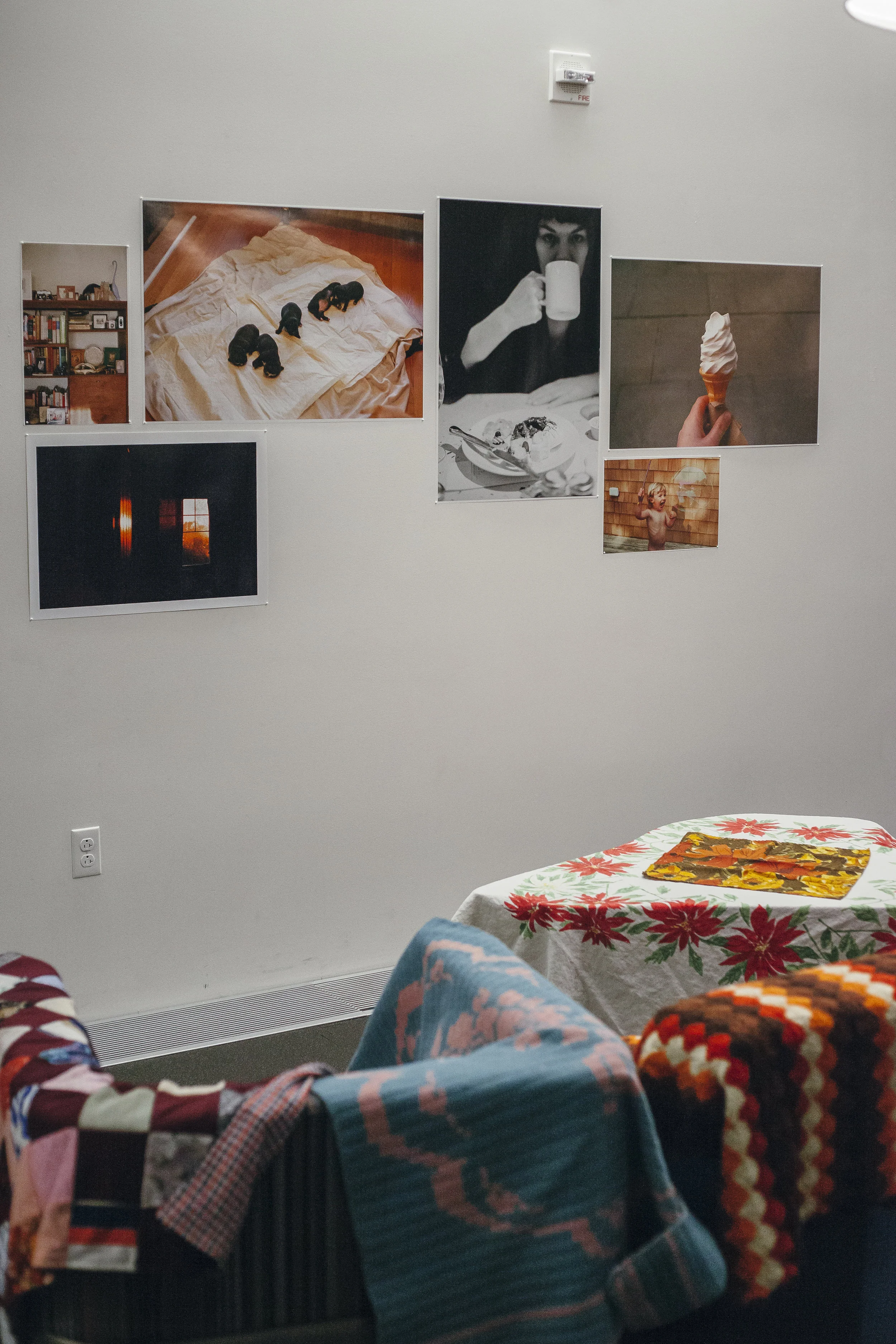
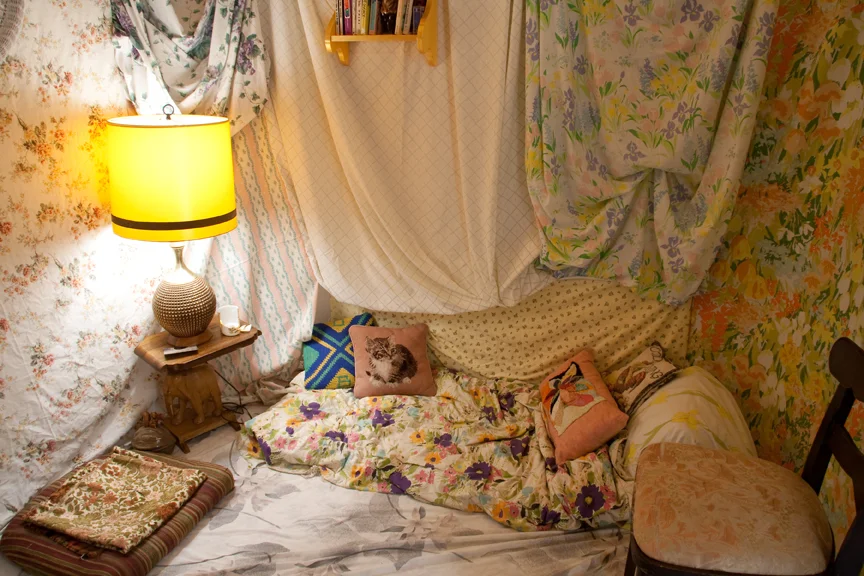
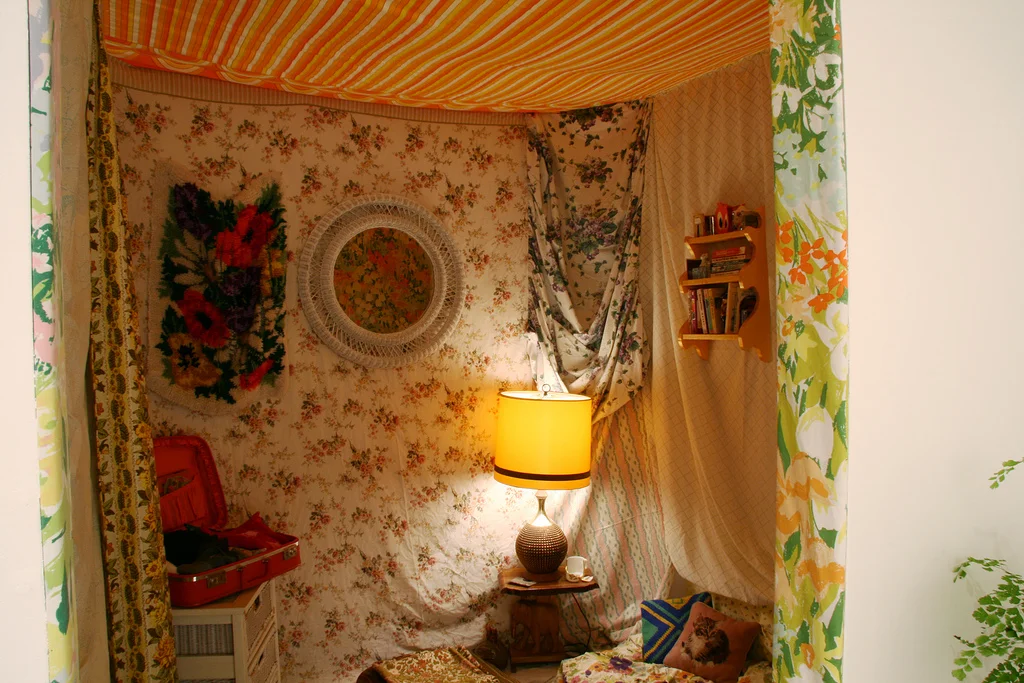
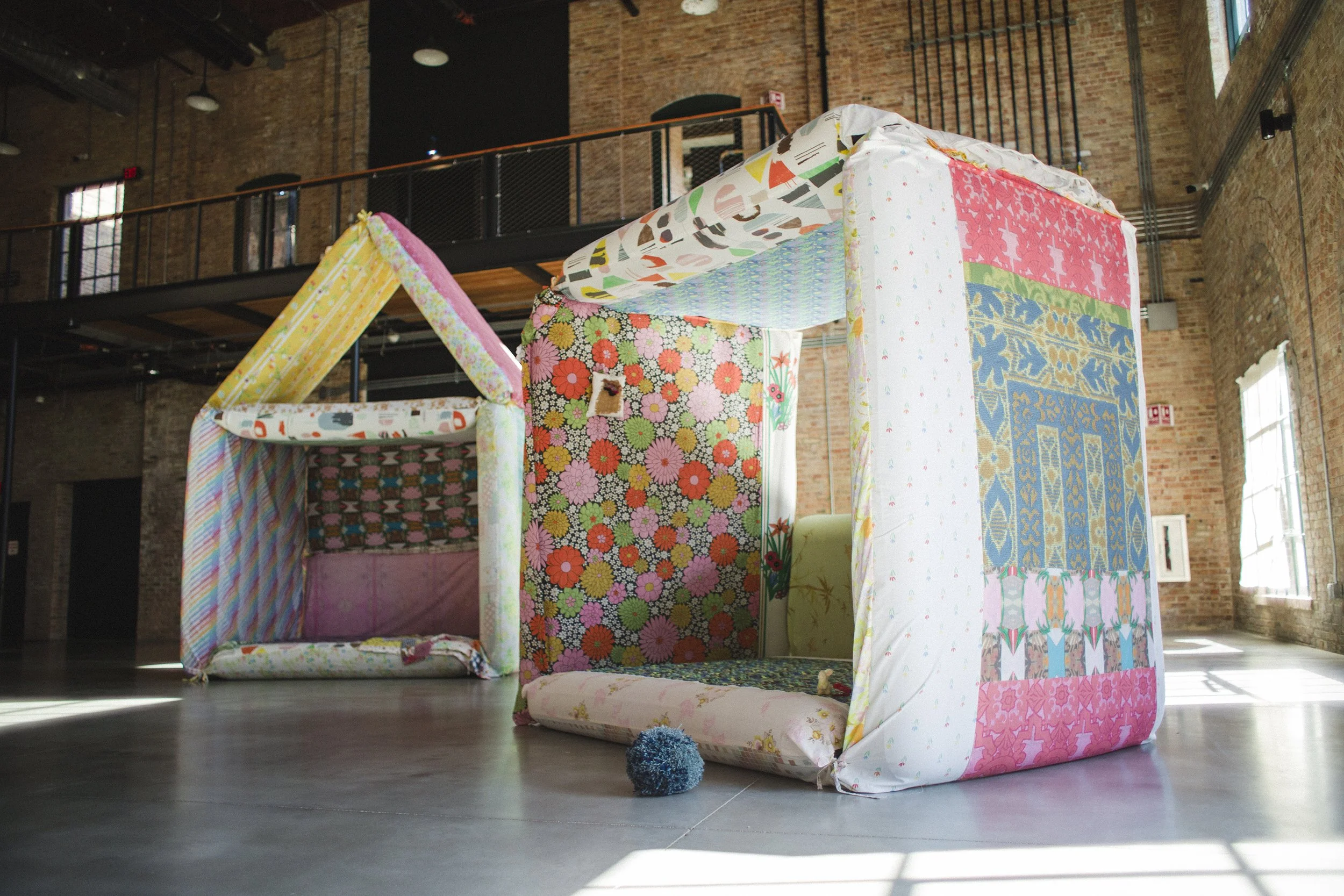
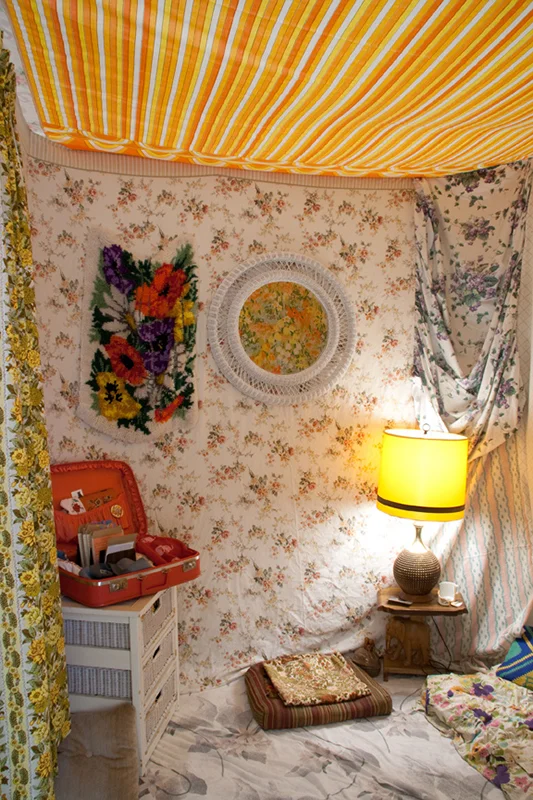
To accomplish this, I reach back to a point around the time I was born in every thrift store I can dig my way through. I look for objects and fabrics that will convey a sense of my strongest memories. In exhibitions, these items inhabit the same space as my photographs. They emulate the experience of home, complementing the images as your parents’ shag carpet complemented your great-grandfather’s portrait.
I am aware that the traditional domestic space has historically been a gendered one, maintained by women. As a woman struggling with the expectations of gender performance and age related “female” achievements, it is clear to me that my desire to create a space of comfort for my viewer is informed by my struggle with achieving societal norms for my age and gender. There is a tension for me in that desire – to both push toward and pull away from the expectations of others. I want to explore that space.
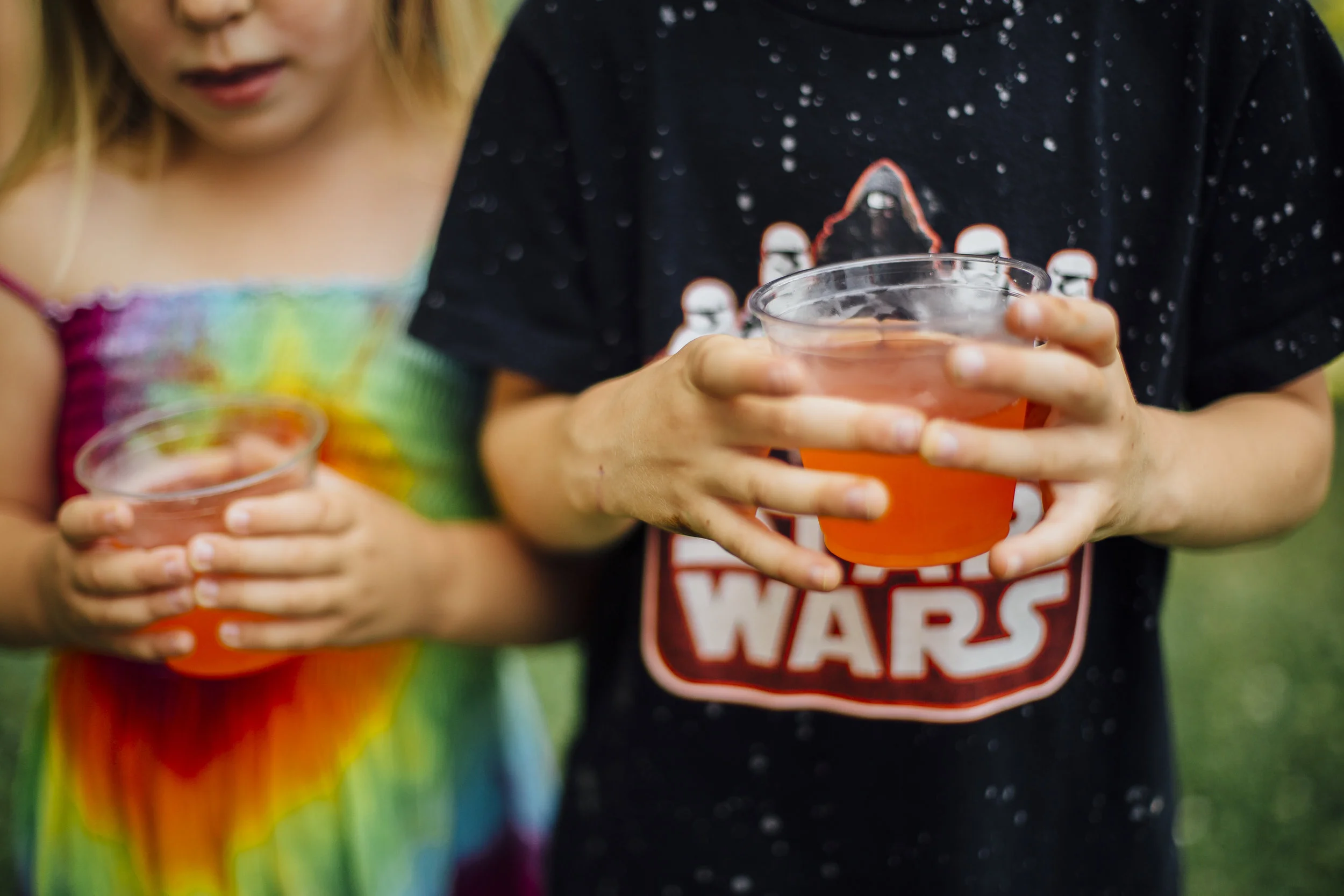
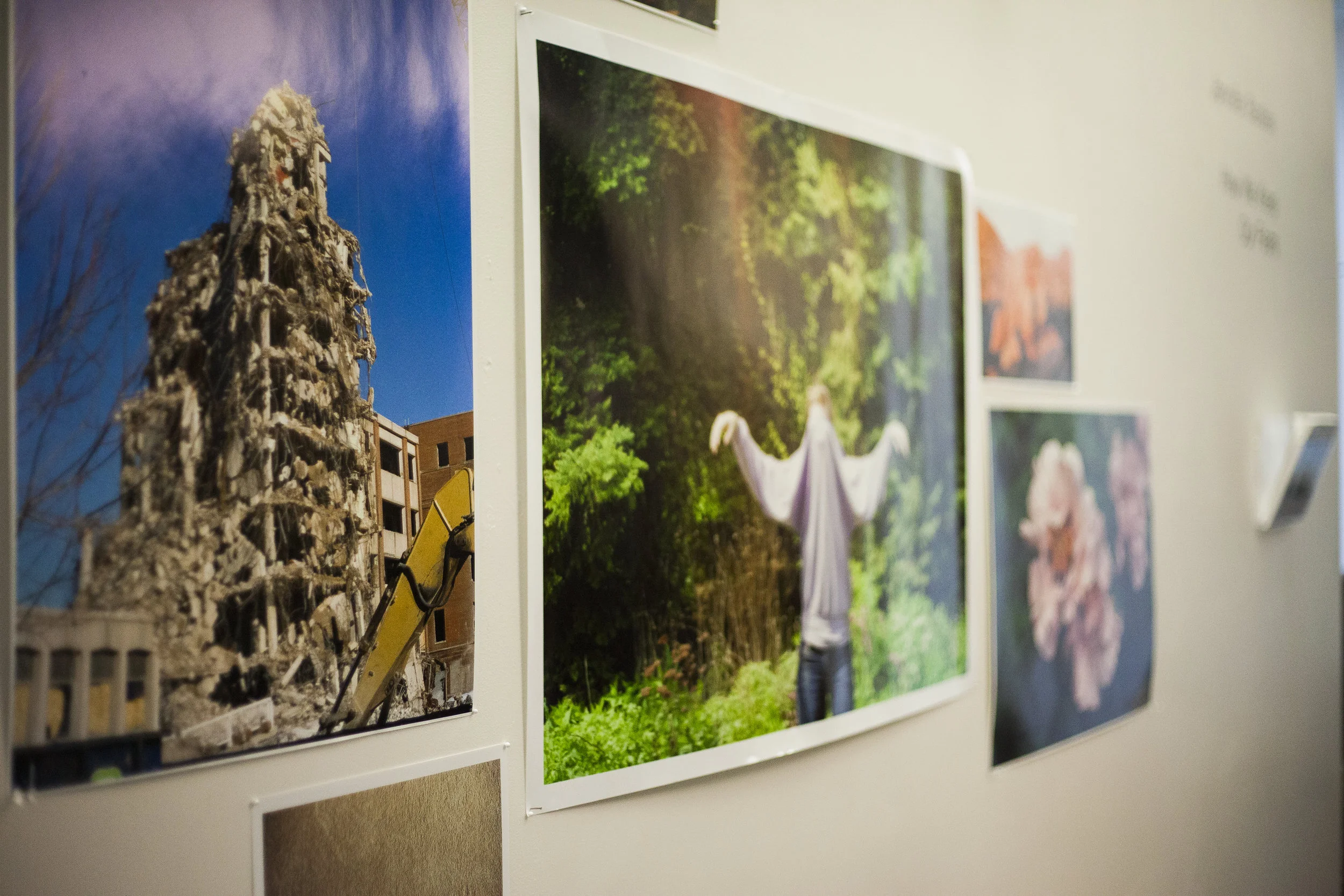
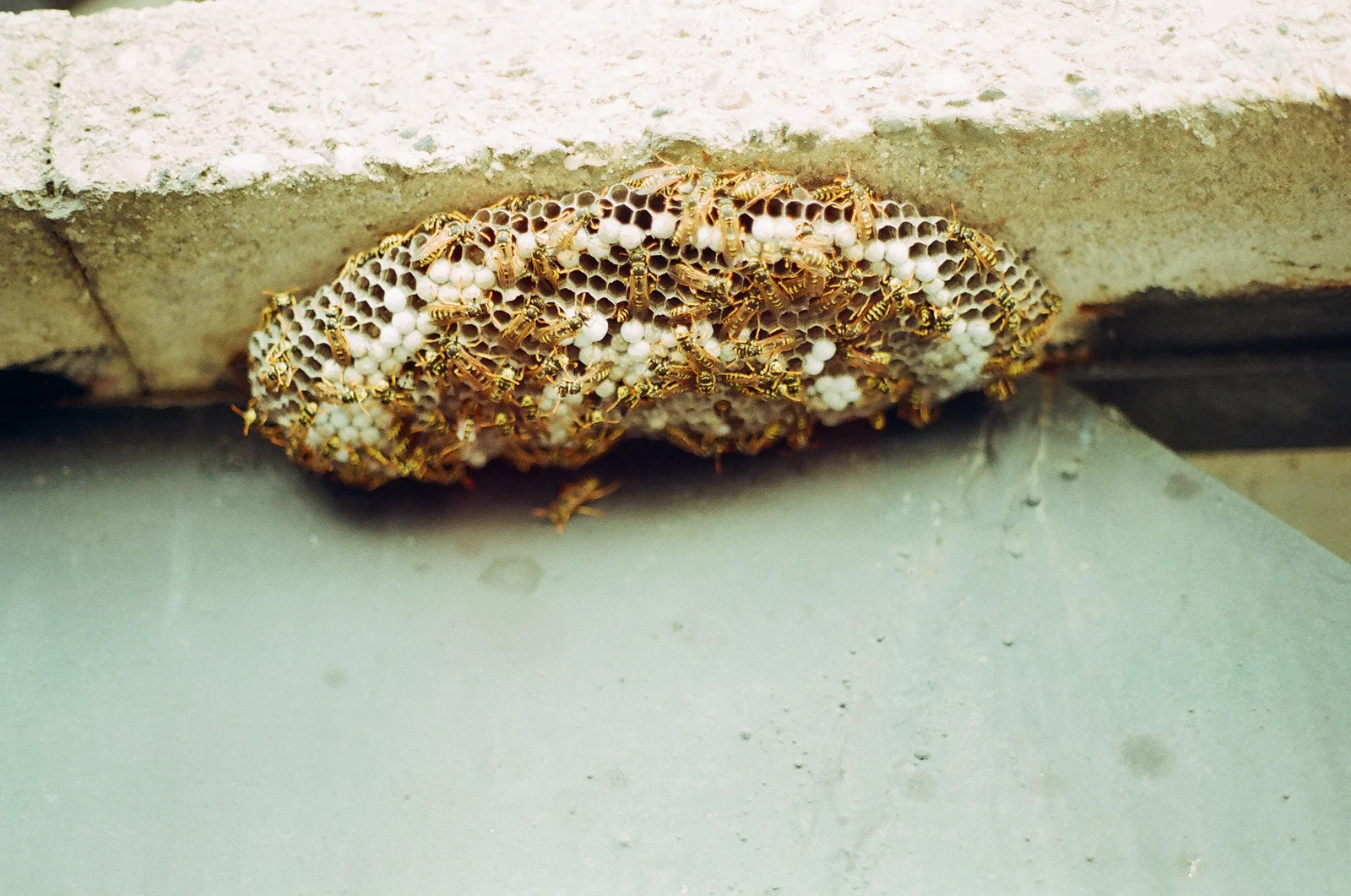
Slightly separated from the domestic space are a series of my photographs. They observe the vulnerability of animals, children, and the lives of small things. We are all vulnerable, some more than others at certain points, but we can connect in that knowledge. We have all been children, we have all struggled with identity, we have all watched ourselves and our families age.
I want to hold the hand of my viewer in this space, give them comfort, and listen to our shared narratives.
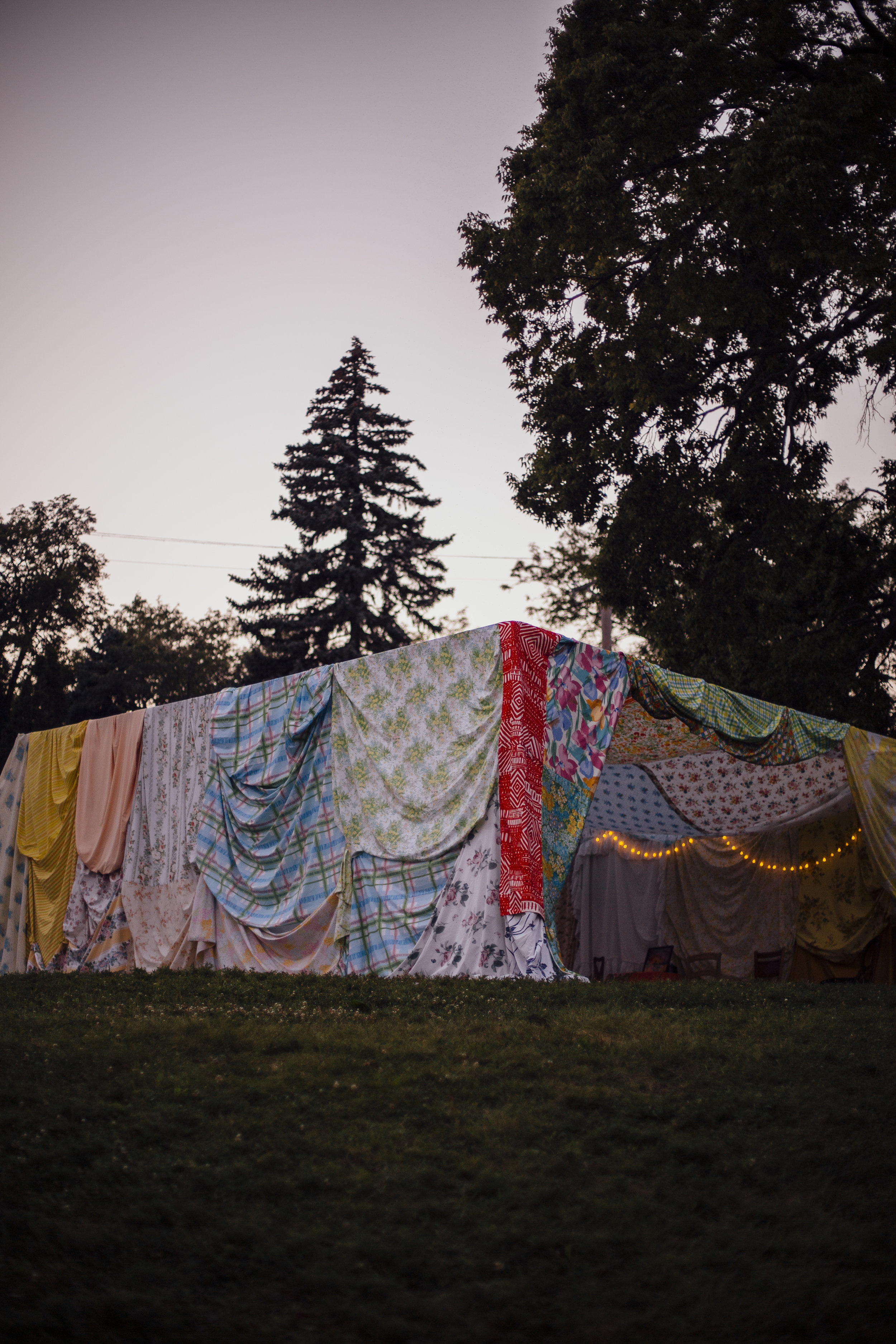
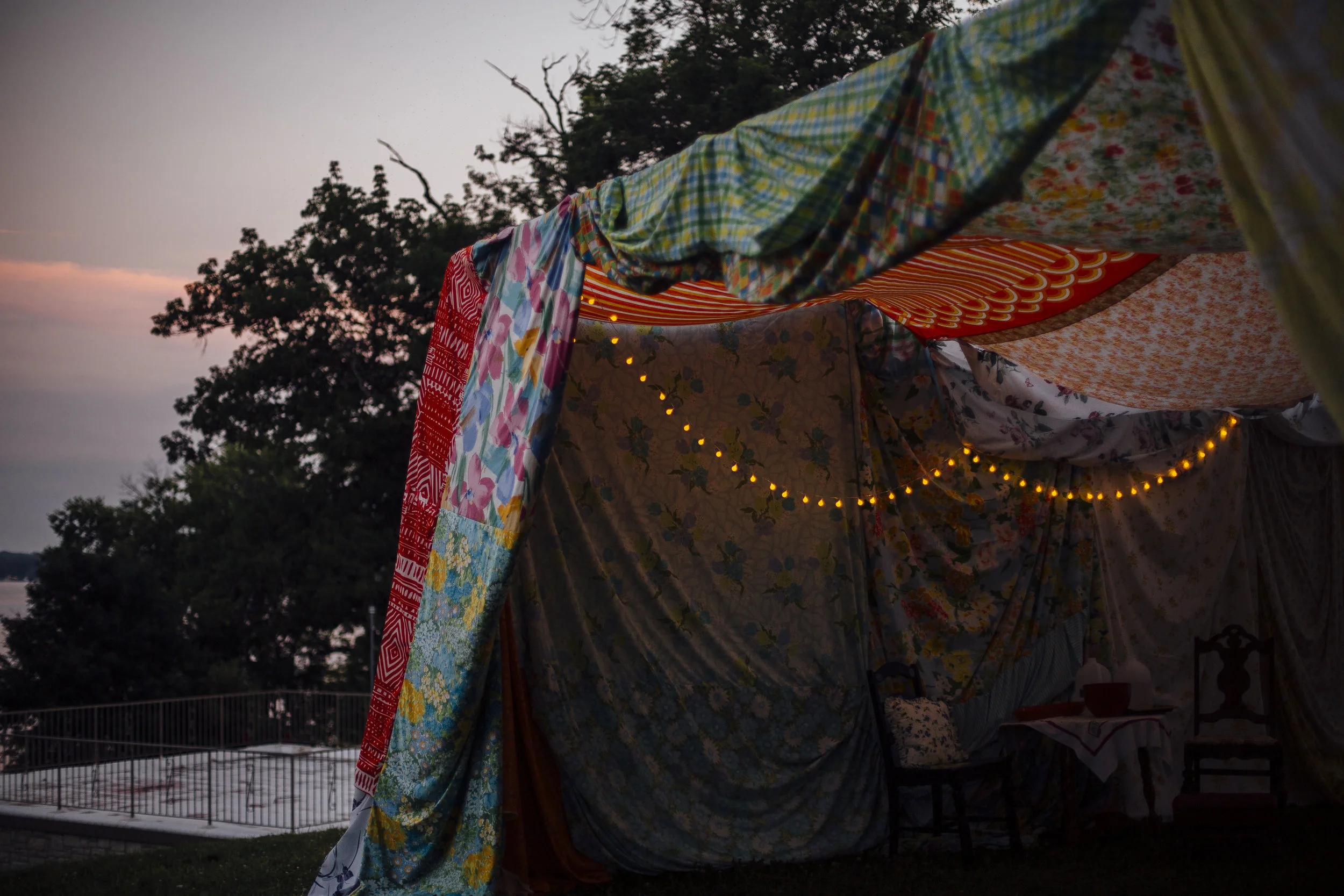
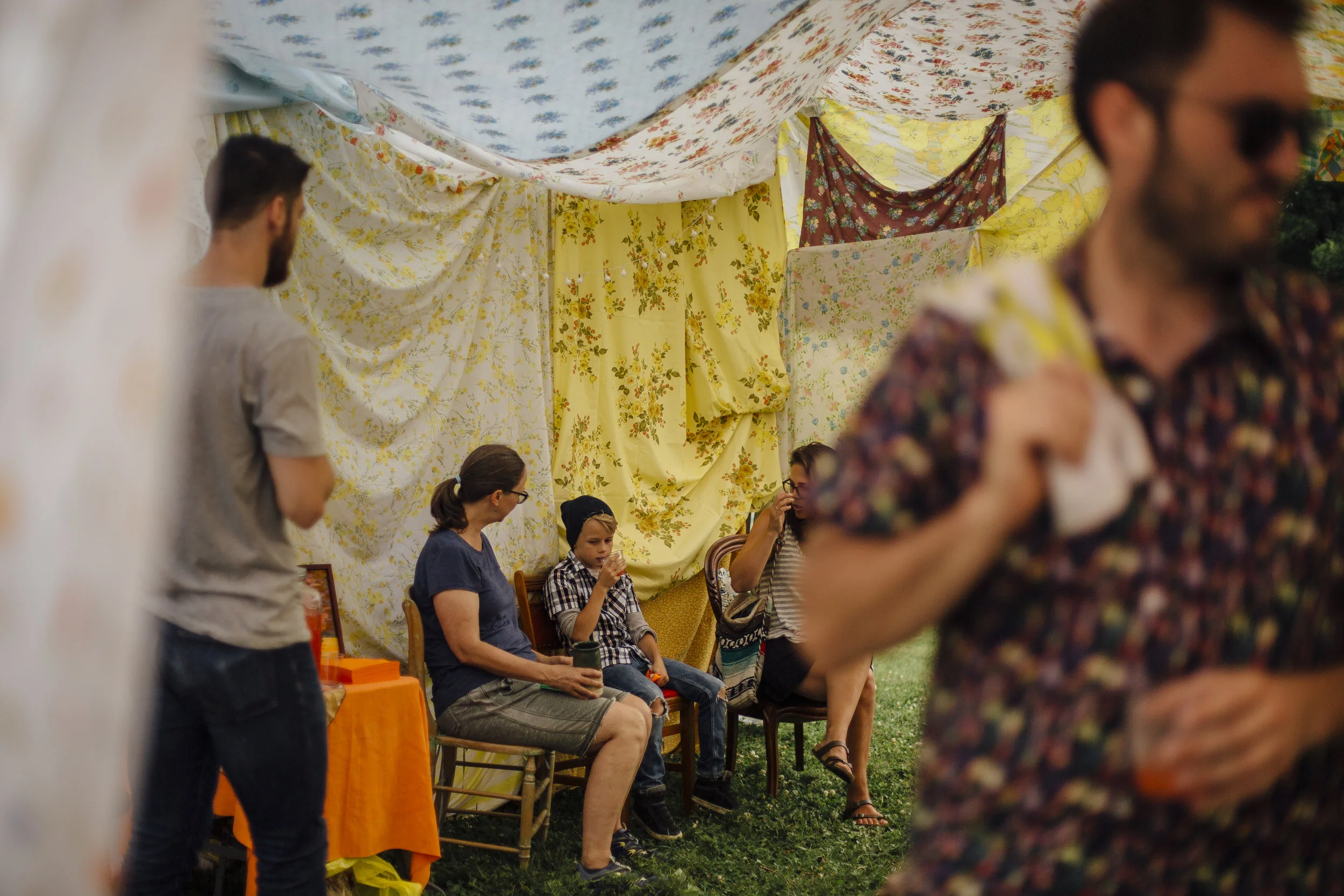
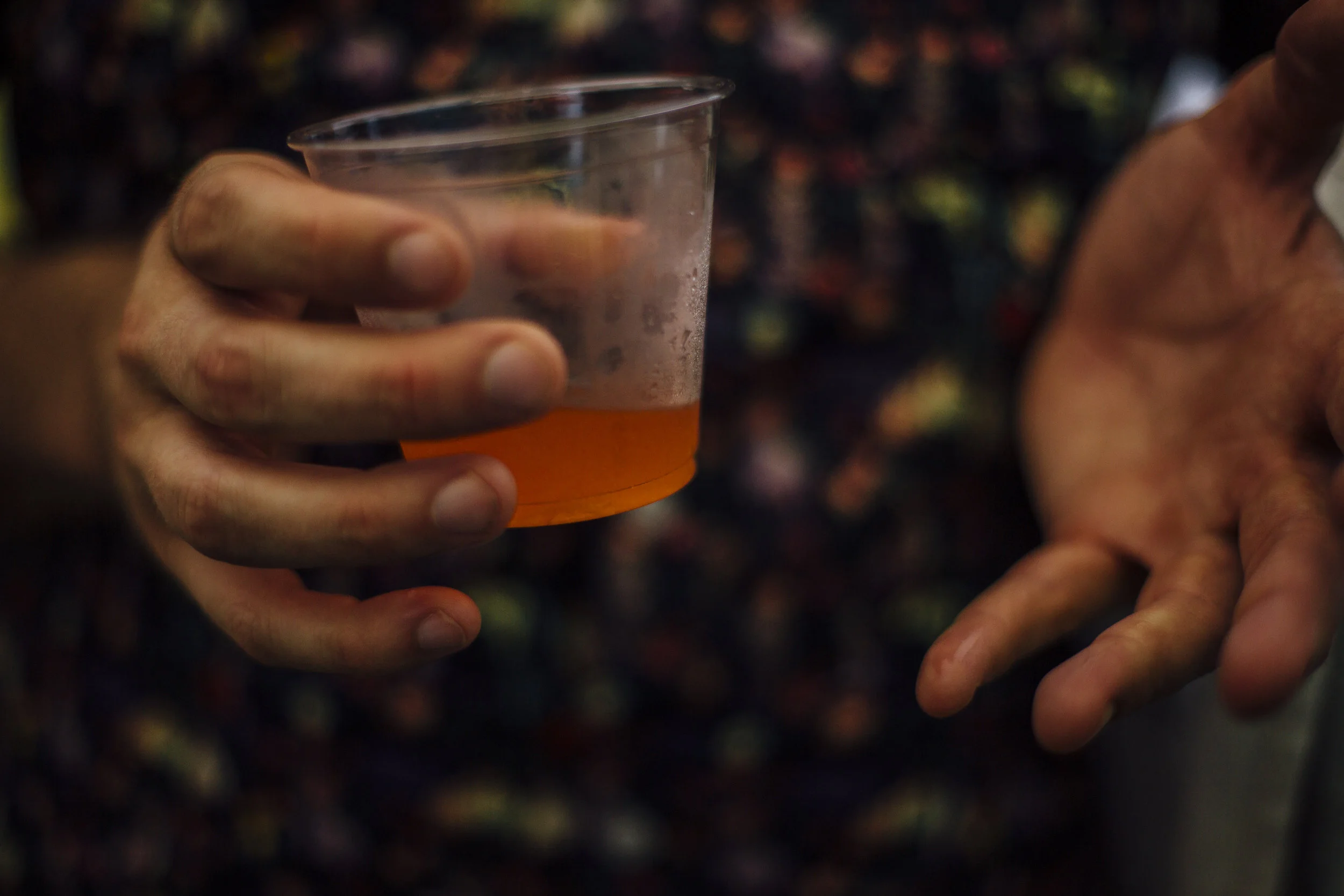
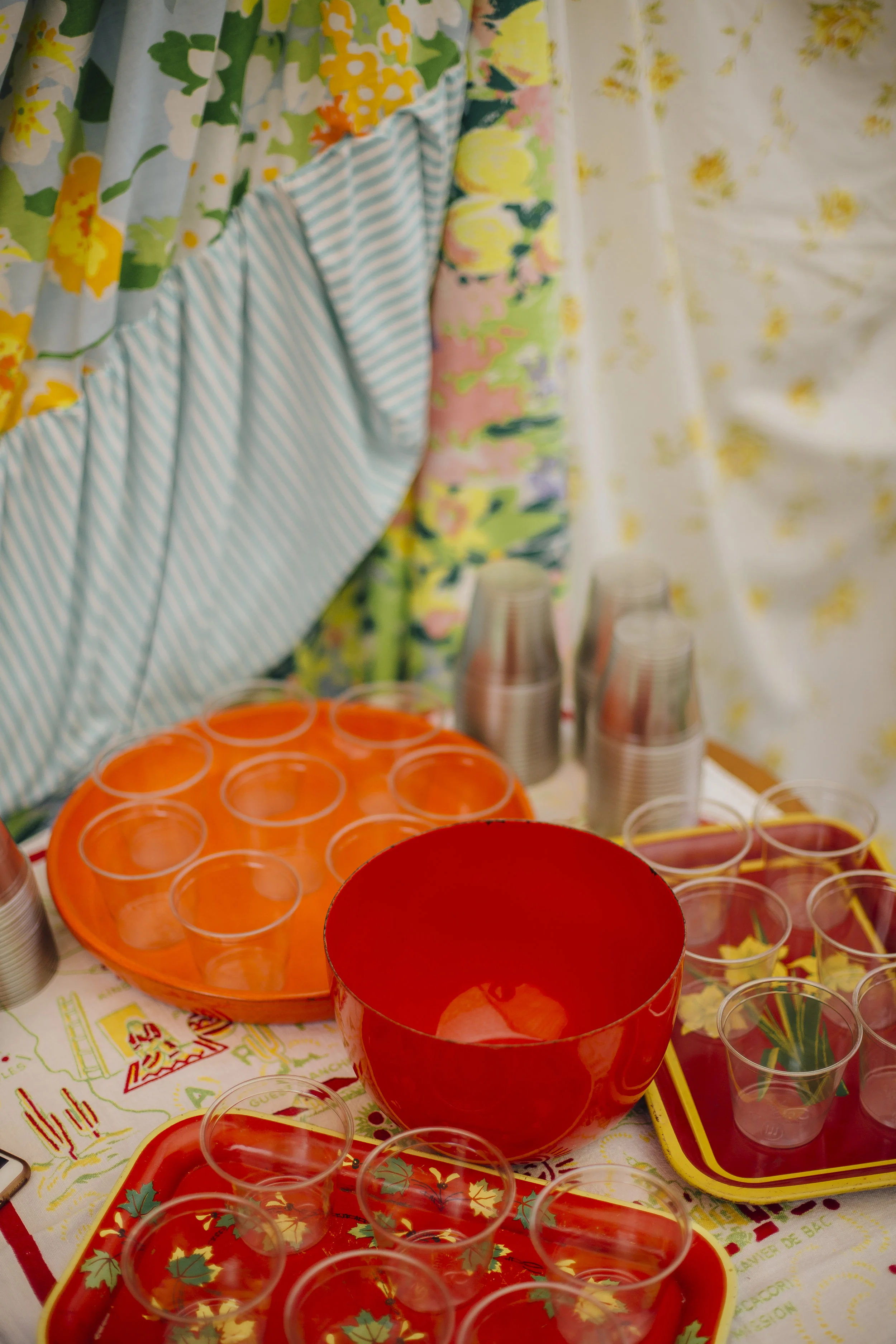
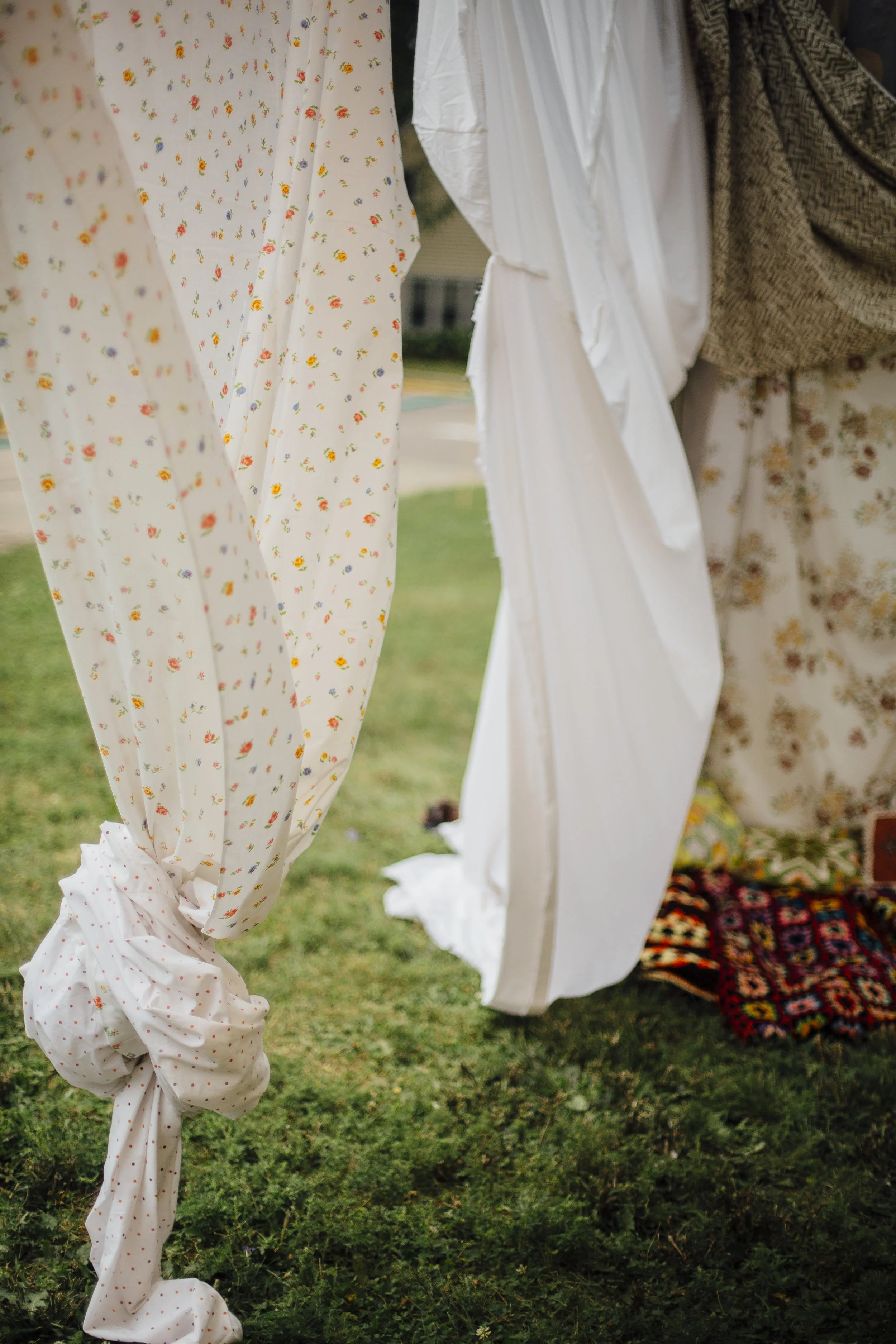
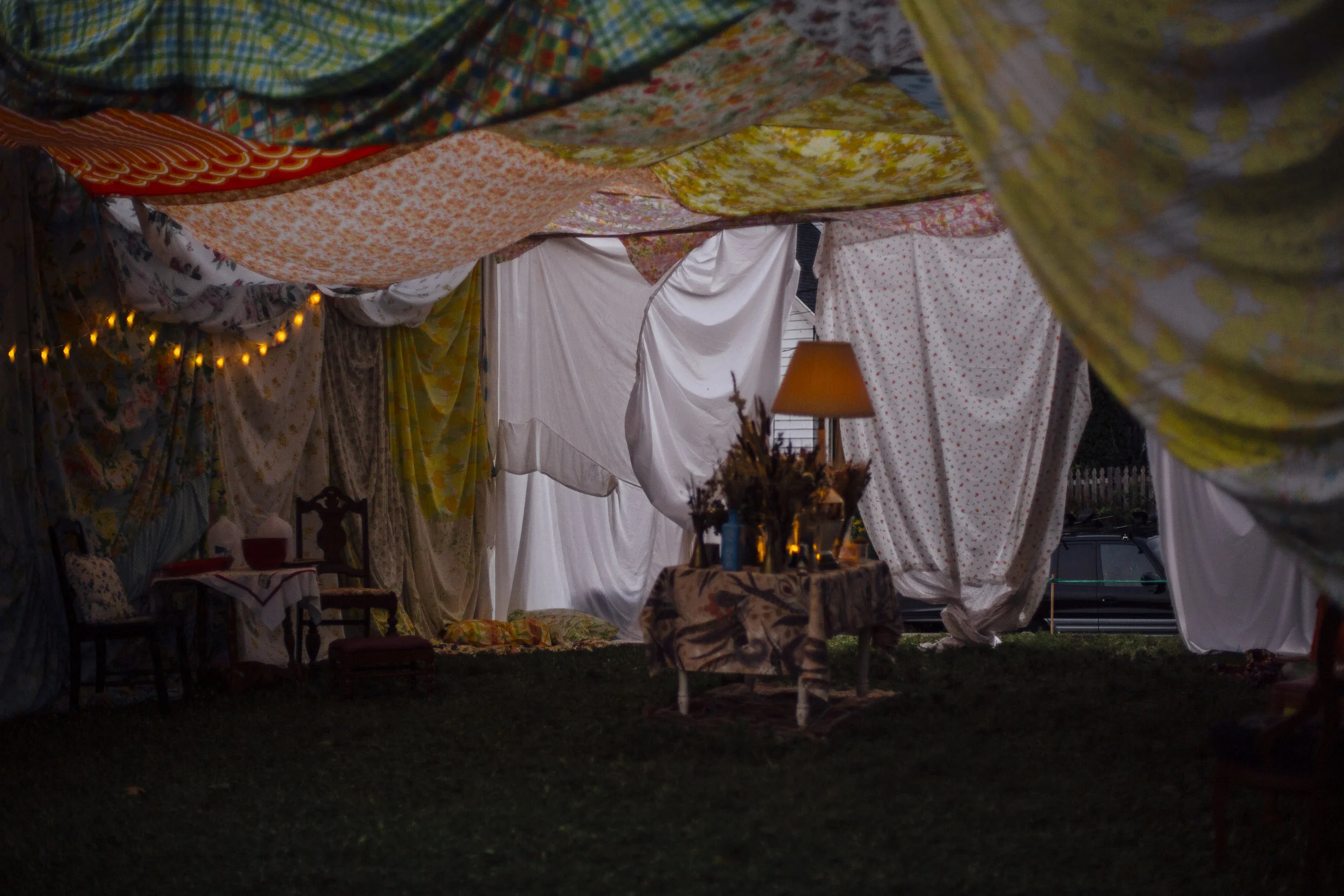
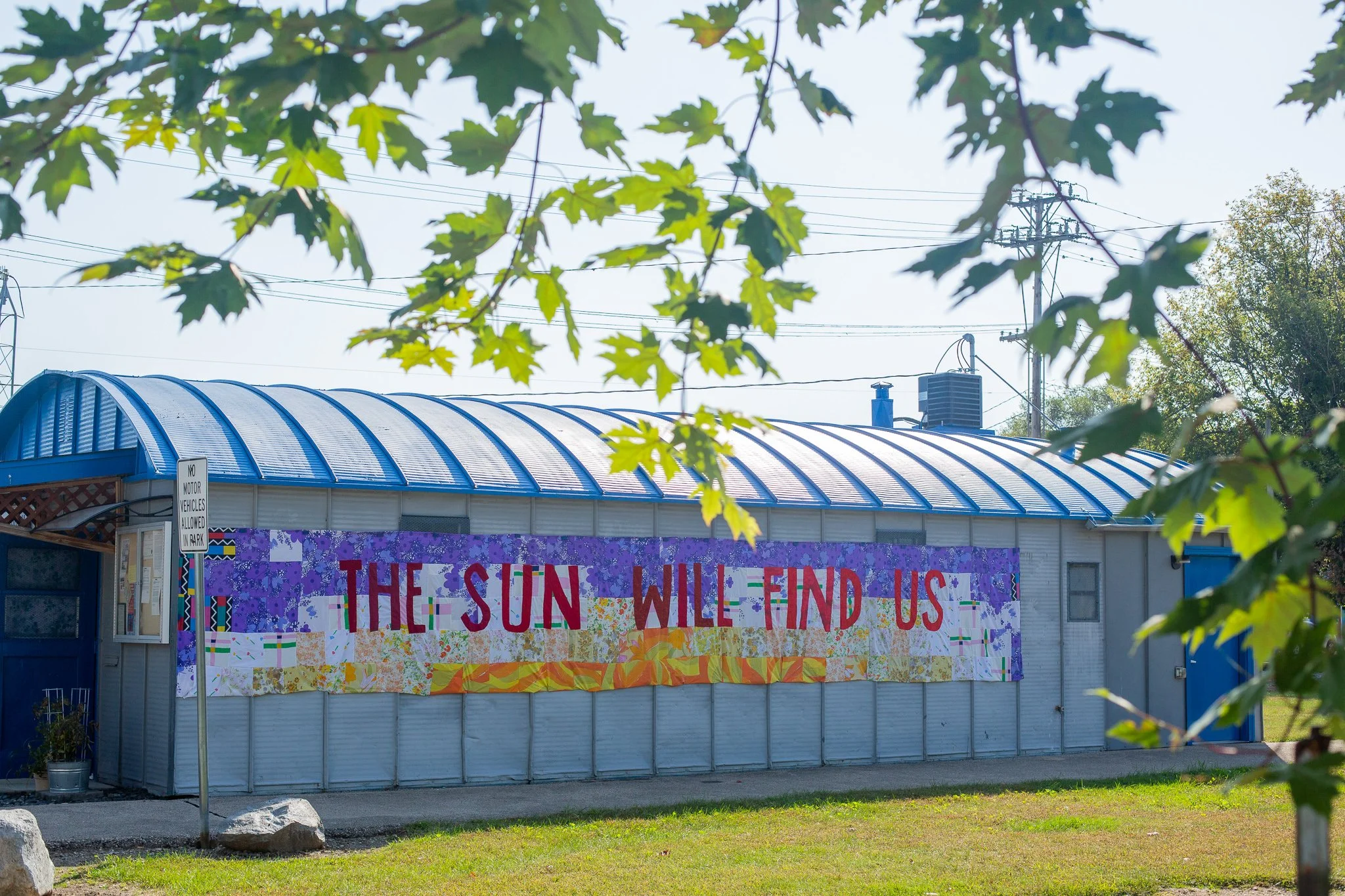
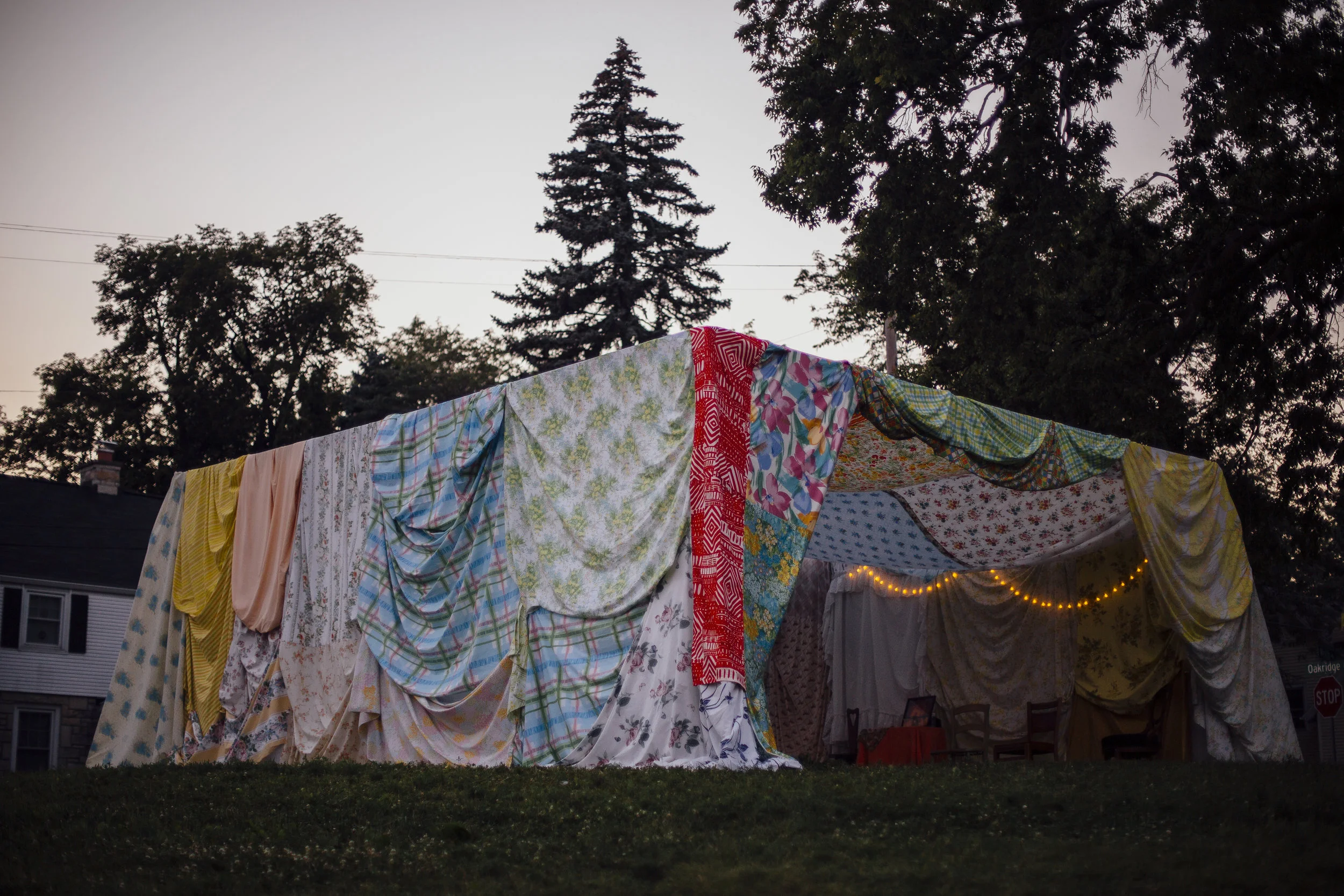
During a food and art festival in summer of 2017, I constructed a tent of found sheets and linens, filled it with comfortable furniture, and served lemonade. Visitors were invited to stay and connect with each other on the sledding hill overlooking the park.
I am afraid all of the time. Of losing my family, my friends, my country, my life. So I ask questions. Who else is afraid? Is everyone? I want to learn from people I know, people I have not yet met, people I will likely never meet. I want to hear their stories. Try to comprehend fears I have never been exposed to, pull myself out of my own experience for long enough to feel something different. Shake myself out of complacency and remember that there are many other realities in the world.
The first time I started asking people questions, it saved my life. I was severely depressed and was turned completely inward. I realized that if I did not reach out and discover how other people coped with the same life struggles, I wasn’t sure where I would end up. People were generous, they answered, and it propelled me forward. I felt lucky (and selfish!) and I wanted to know more.
So I continue to photograph. I continue to ask questions.
This project was installed at the Brand Library Art Galleries in Glendale, CA, from January 15 to February 25 of 2011.
I began this project by creating a qualitative survey on separation, and disseminating it through various forms of media. These surveys were accompanied by one of three photographs. The results of the surveys were then archived and installed in a gallery, with the three photographs adjacent to the installation.
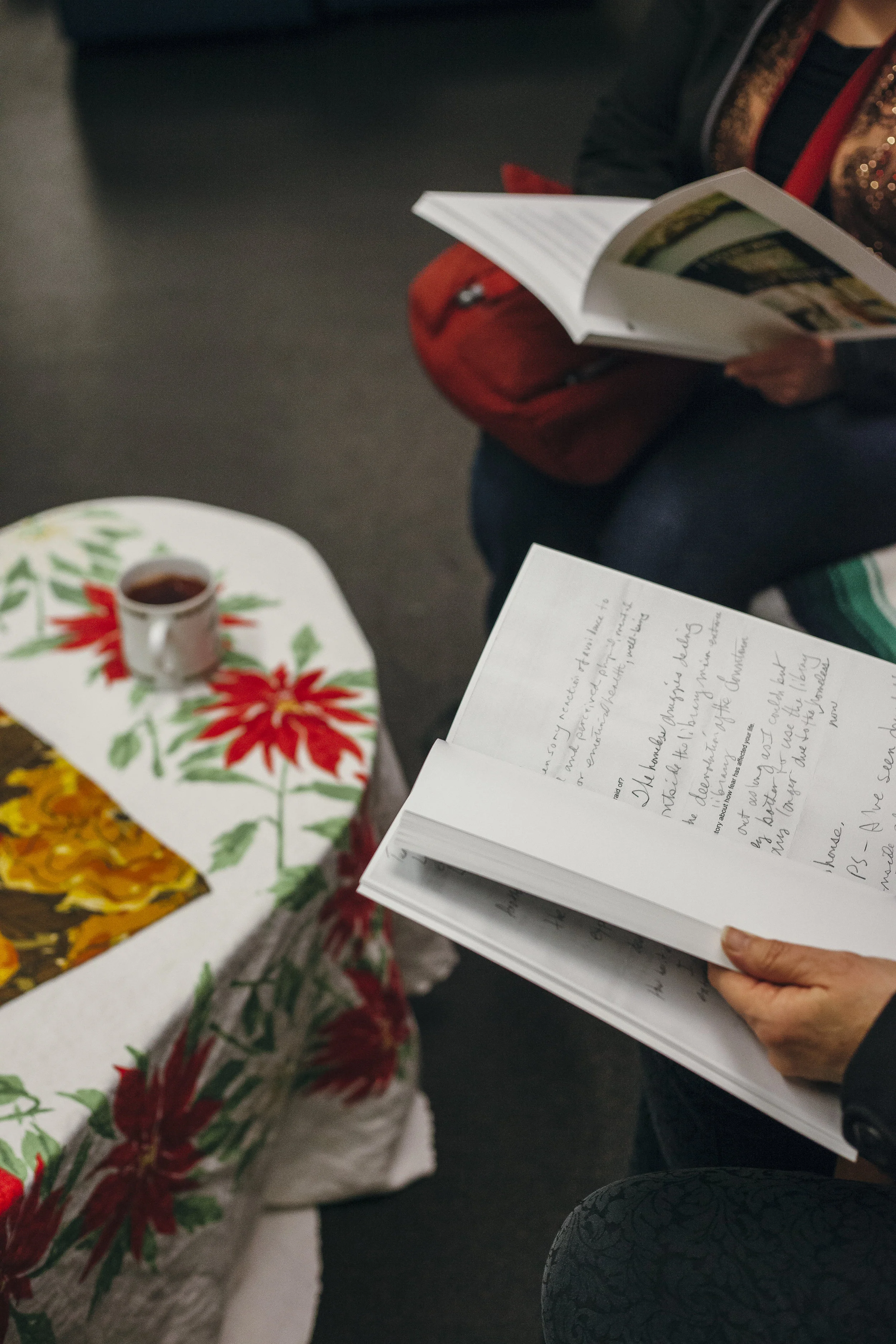
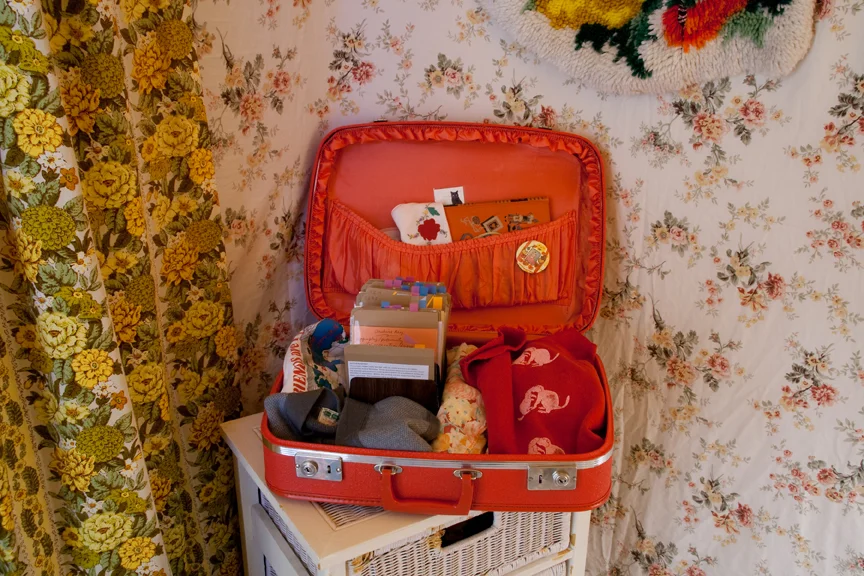
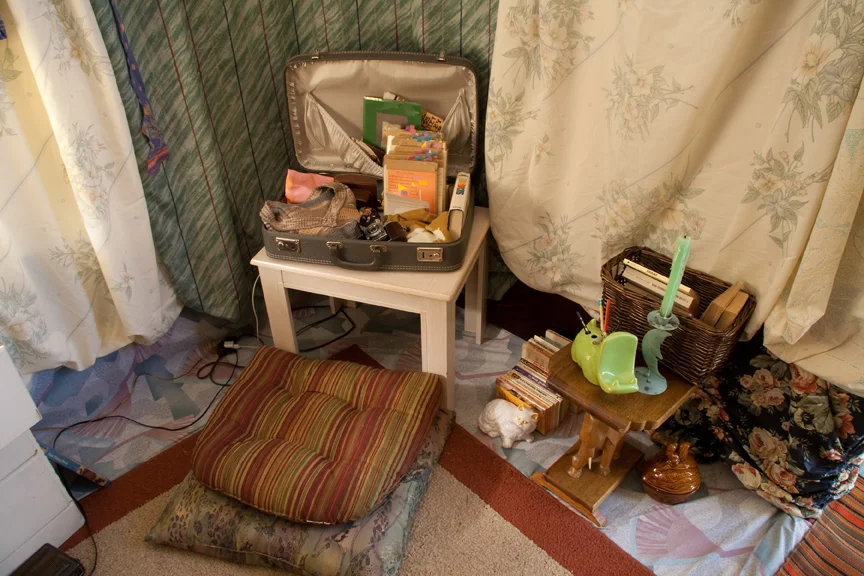
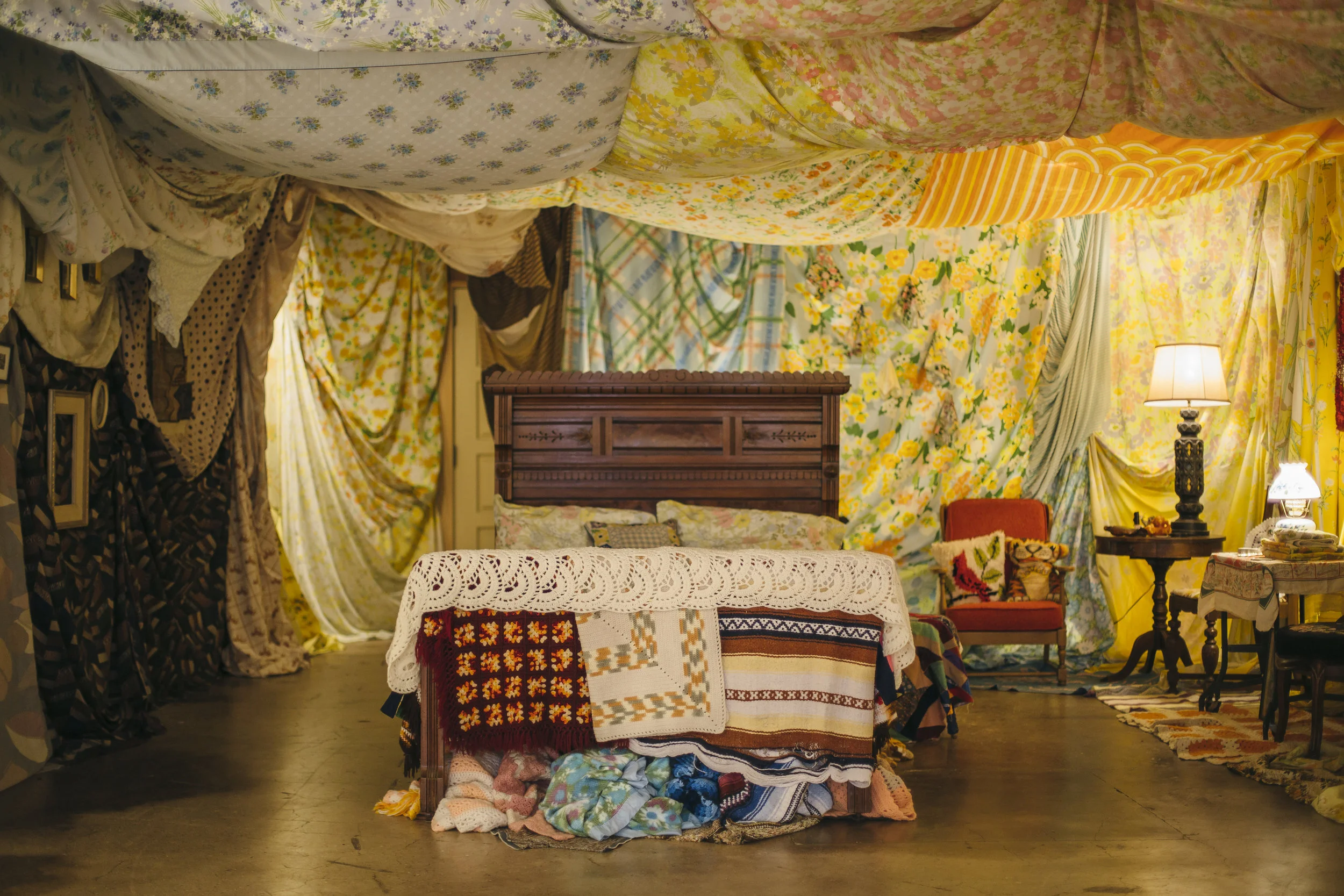
The installation consisted of two adjoined domestic spaces, with the survey archives held in two different suitcases. Each of the survey responses were copied onto paper for the archive in my own hand, and categorized according to a specific set of characteristics. Music played out of the suitcases in the two separate rooms. Visitors were encouraged to spend time with the archive, sitting on the beds or chairs, creating a space for socializing, sharing and reflection.
While the images and questions arose initially as an attempt to understand my own experiences of separation through divorce and other means, creating the installation and archive allowed the idea of separation (and people experiences with it) to become a much larger expression of communal knowledge.